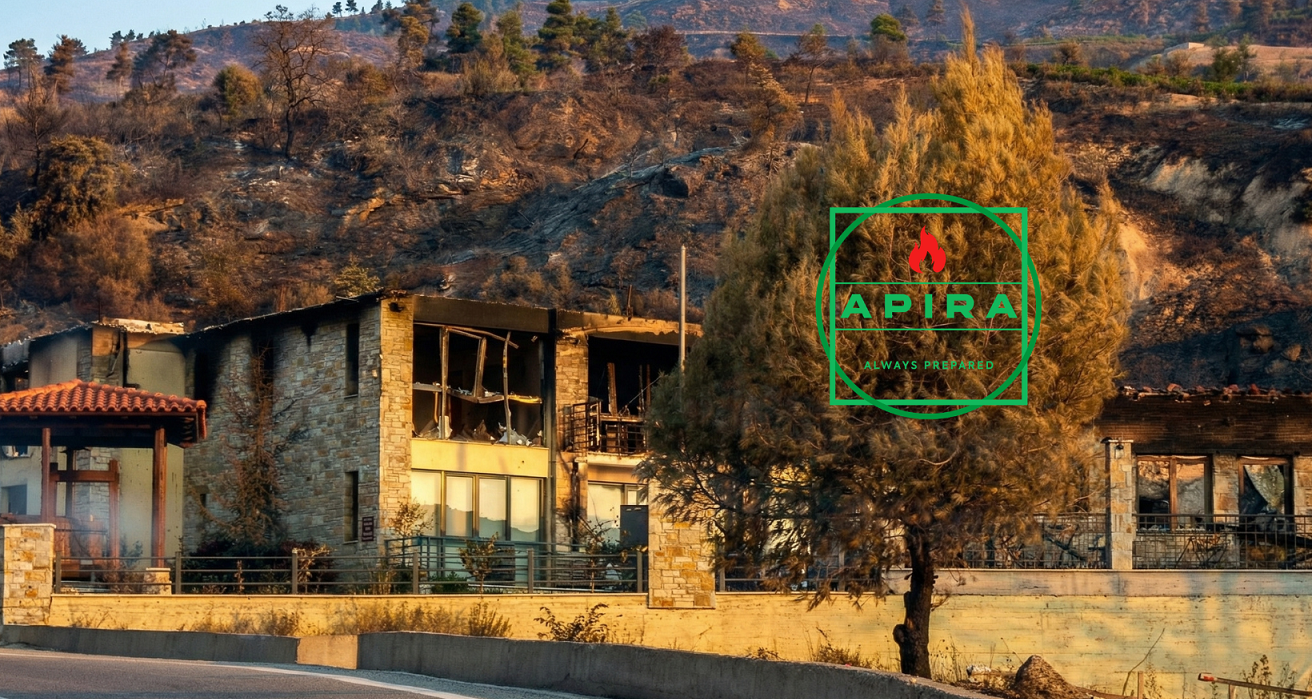
Wildfires are no longer rare, distant events. Across countries like Greece, Italy, South France, Spain, Portugal, Cyprus, Germany, the United States, and Australia, extreme heatwaves and prolonged droughts have reshaped fire seasons. Homeowners are asking one direct question:
Will APIRA save my home during a wildfire?
The honest answer is this: APIRA significantly reduces the risk of wildfire damage. However, no system in the world can guarantee complete protection under extreme wildfire conditions.
And that distinction matters.
Why No System Can Guarantee 100% Protection During Wildfires
Wildfires are complex, fast-moving, and deeply unpredictable. Their behavior depends on multiple volatile factors:
- Wind speed and direction
- Terrain slope and vegetation
- Fuel load (dry plants, debris, structures)
- Ember storms traveling kilometers ahead of the fire front
- Radiant heat intensity
- Simultaneous ignition points
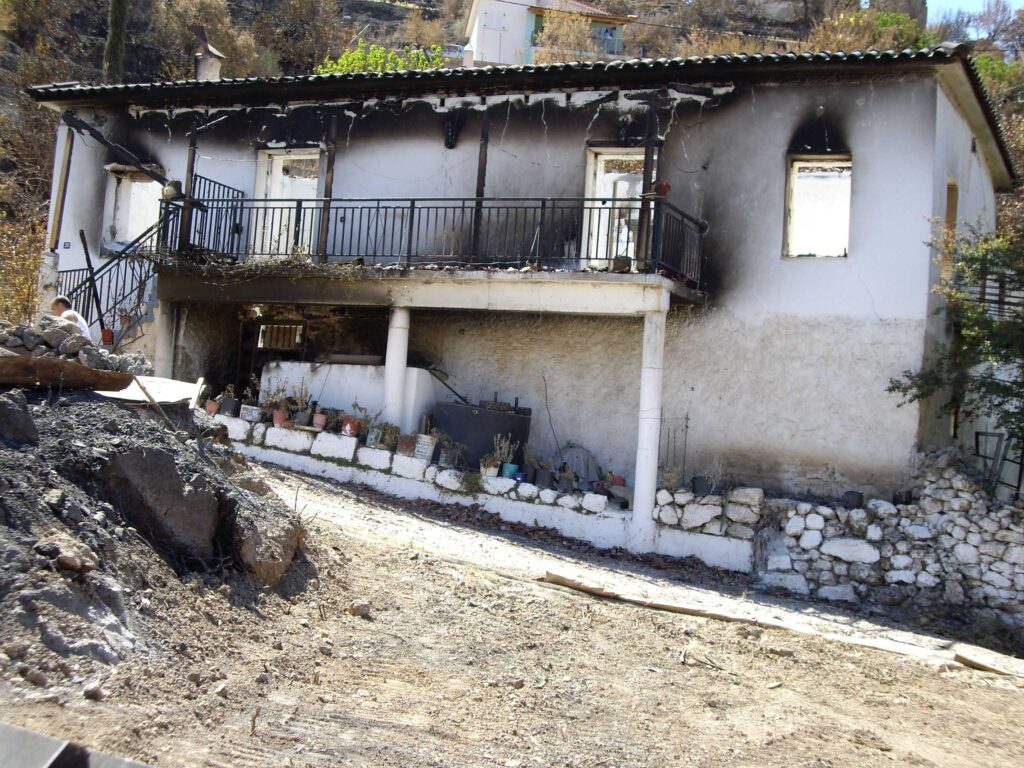
In extreme scenarios, temperatures can exceed 800–1,200°C. Ember showers can infiltrate tiny gaps. Structures can ignite without direct flame contact due to radiant heat alone. Any company promising “absolute protection” in such conditions is oversimplifying reality. The real question is not whether risk can be erased. The real question is: How much can risk be reduced?
What APIRA Actually Does To Protect Your Home Against Wildfires
APIRA is designed as a pre-installed, engineered wildfire protection system. It is not a temporary spray, not a last-minute reaction, and not dependent on emergency services arriving in time. Here is what APIRA offers:
1-A Pre-Installed, Engineered Protection System
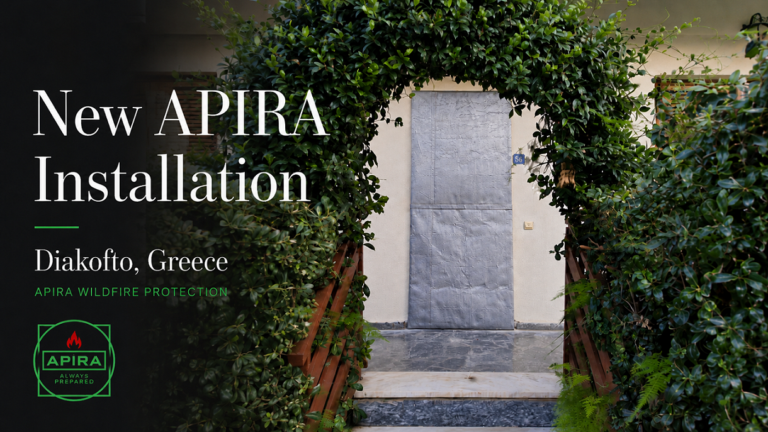
APIRA is permanently integrated into the building envelope. When wildfire risk arises, the system deploys automatically, without requiring human presence.
This is critical. Many homes are lost because:
- Residents evacuate.
- Electricity fails.
- Water pressure drops.
- Access roads are blocked.
APIRA operates independently of:
- Water supply
- Electricity
- Human intervention
- That independence is a core layer of resilience.
2-Tested Fire-Resistant Materials
APIRA components are built using high-performance, fire-resistant materials designed to withstand:
- Extreme radiant heat
- Direct flame exposure
- Ember attack
Wildfire damage often begins not with flames but with embers entering small openings. Once ignition occurs inside, structural loss becomes highly probable. APIRA addresses that vulnerability at the material level. Read more details here…
3-Coverage of All Vulnerable Openings
Research shows that homes frequently ignite through:
- Windows
- Ventilation openings
- Roof gaps
- Shutters
- Door frames
APIRA is engineered to cover and shield these vulnerable entry points. By minimizing ember intrusion and heat penetration, it reduces the probability of internal ignition. This multi-point coverage is essential. Wildfires rarely attack from a single direction.
4-Deployment Without Utilities
During wildfire events, infrastructure often fails:
- Power grids collapse
- Pumps stop functioning
- Water pressure becomes unreliable
APIRA does not depend on external utilities. Its mechanical deployment ensures activation even when everything else is compromised. That reliability during systemic failure is what differentiates engineered systems from reactive methods.
5-A Multi-Layered Defense Strategy
Wildfire protection must address three primary threats:
- Radiant heat
- Direct flame contact
- Ember intrusion
APIRA is designed as a multi-layered solution that reduces:
- Surface temperature exposure
- Direct flame access
- Structural ignition probability
Rather than relying on a single barrier, the system creates layered resistance. And in most wildfire scenarios, layered resistance equals survival probability.
Can APIRA Guarantee My Home Will Survive Against Wildfires?
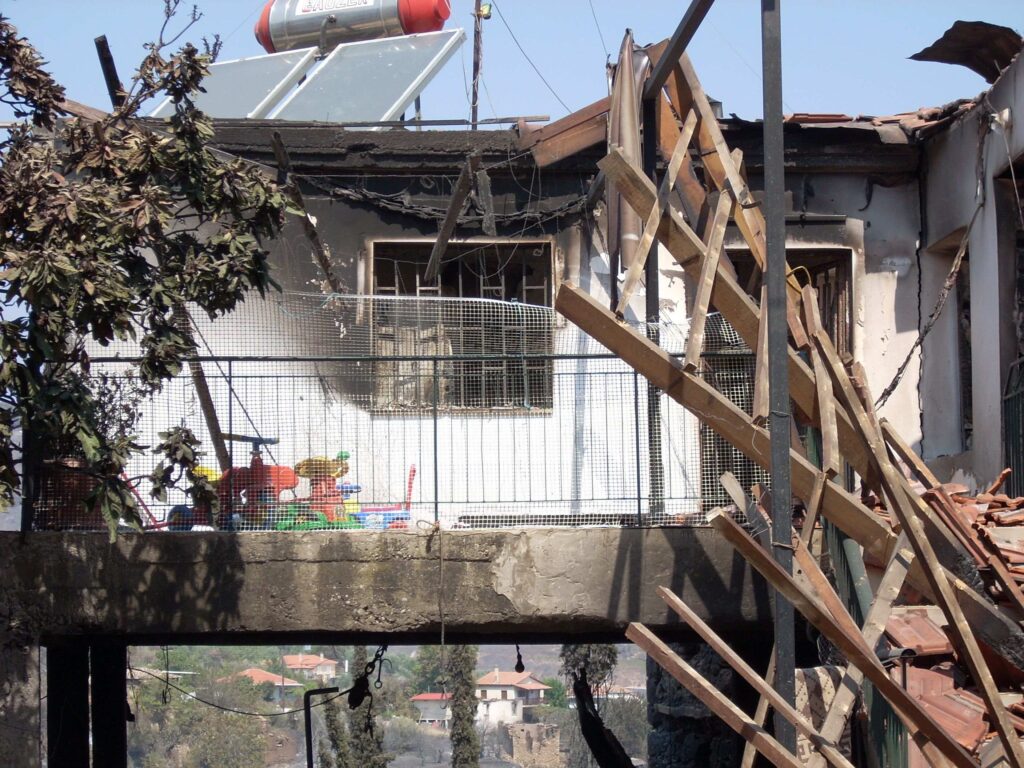
No system can eliminate wildfire risk entirely. Extreme, worst-case conditions, such as prolonged fire front exposure combined with structural fuel accumulation, can overwhelm almost any defense.
What APIRA does provide is:
- Significant risk reduction
- Increased structural resilience
- Reduced ignition probability
- Time advantage during fire passage
- Protection when no one is present
In wildfire science, survival often comes down to minutes of resistance. If a structure resists ignition during the main fire front passage, its chances improve dramatically. APIRA is built to extend that resistance window.
Why Risk Reduction Is the Real Goal
When evaluating wildfire protection systems, homeowners should shift from asking:
“Will it save my home no matter what?” to asking: “How much does it improve my odds?”
APIRA is positioned as one of the most comprehensive structural wildfire protection strategies currently available, because it:
- It is engineered, not improvised
- It is permanent, not temporary
- Works without utilities
- Protects critical structural vulnerabilities
- It is designed specifically for wildfire conditions
Wildfire resilience is about managing probability, not making absolute promises.
Who Should Consider APIRA?
APIRA is particularly relevant for:
- Homes in high-risk wildfire zones
- Properties near forests or wildland-urban interfaces
- Remote villas and estates
- Seasonal or unoccupied properties
- Luxury residences requiring asset protection
- Developers building fire-resilient projects
In high-value properties, prevention is not an expense. It is a strategic investment in long-term asset preservation.
The Strategic Perspective: Preparedness Over Hope
Hope is not a wildfire strategy. Preparation is. Wildfire patterns are intensifying globally. Insurance markets are tightening. Premiums are rising. In some regions, coverage is being reduced or withdrawn entirely. Proactive protection systems like APIRA shift homeowners from reactive recovery to preventive resilience. That strategic shift is the difference between exposure and preparedness.
The Big Question is: Will APIRA Save My Home?
APIRA cannot promise absolute protection under all possible wildfire conditions. What it does promise is this:
- A scientifically engineered system
- Multi-layered structural defense
- Ember and heat exposure reduction
- Utility-independent deployment
- One of the most comprehensive wildfire protection strategies available today
It dramatically improves your home’s chances of survival. And in wildfire defense, improved odds are everything.
📞 Request Your Personalized Risk Assessment
Every property is different. Terrain, vegetation, orientation, materials, and exposure levels all matter. The smartest next step is a personalized wildfire risk assessment.
📞 Get your free quote and tailored protection plan today.
Protect your home before the next fire season begins.