Fire Performance Testings
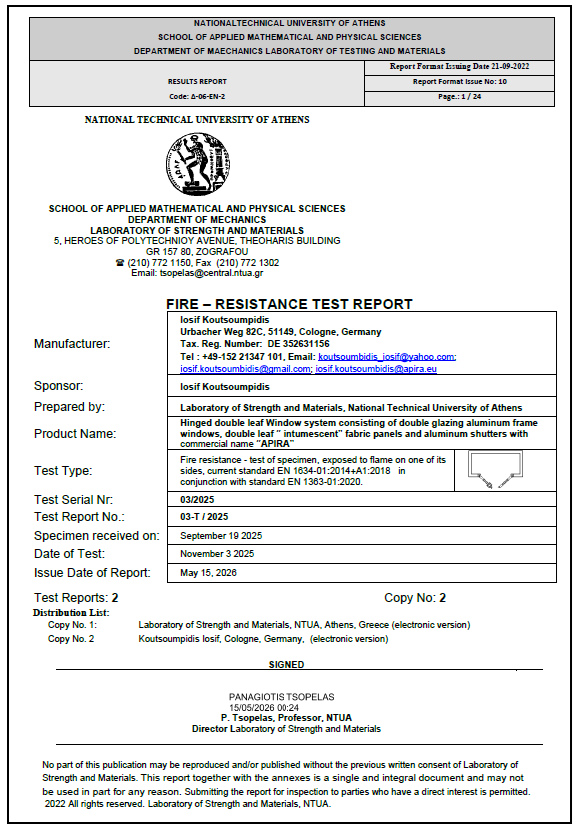
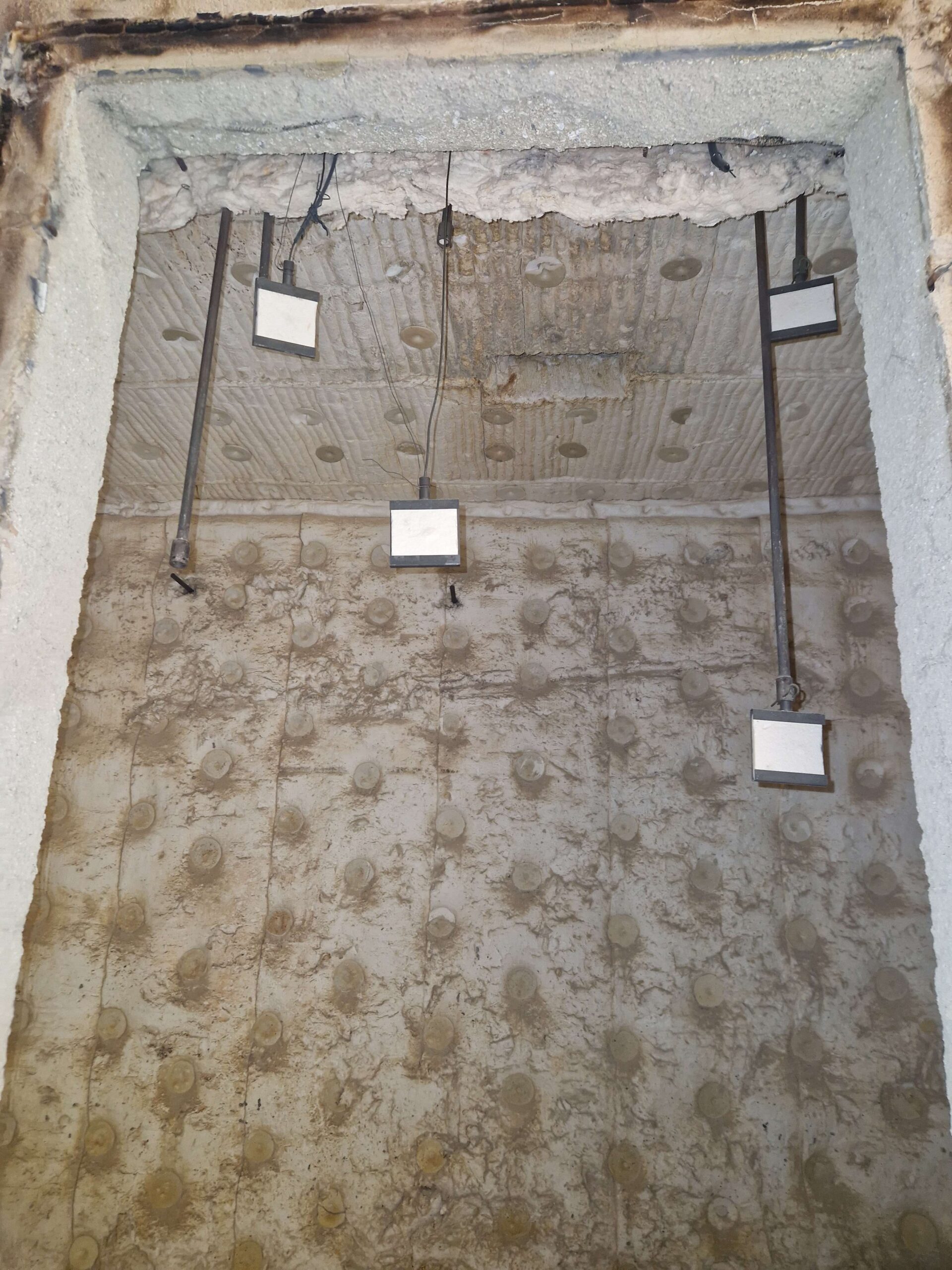
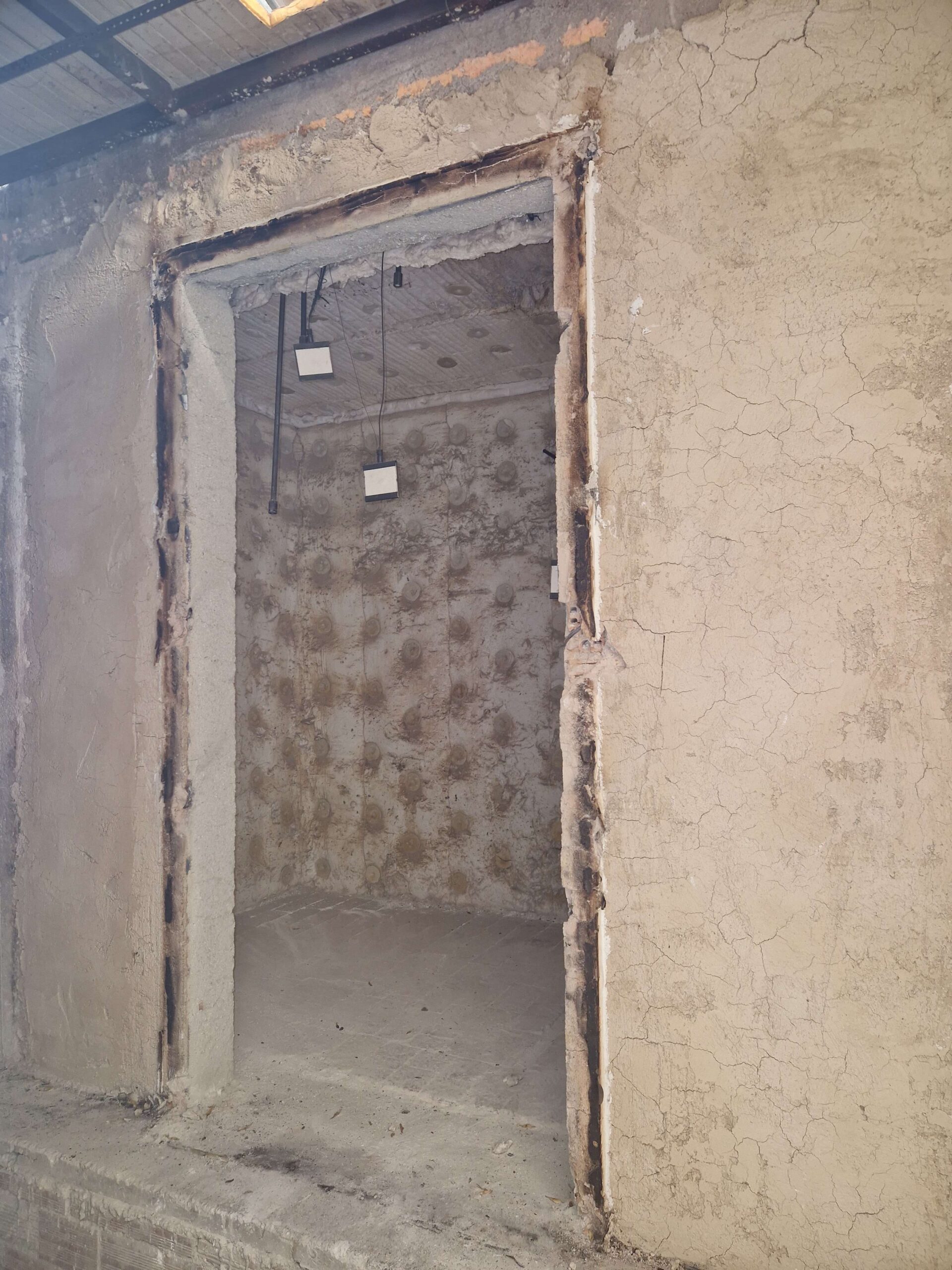
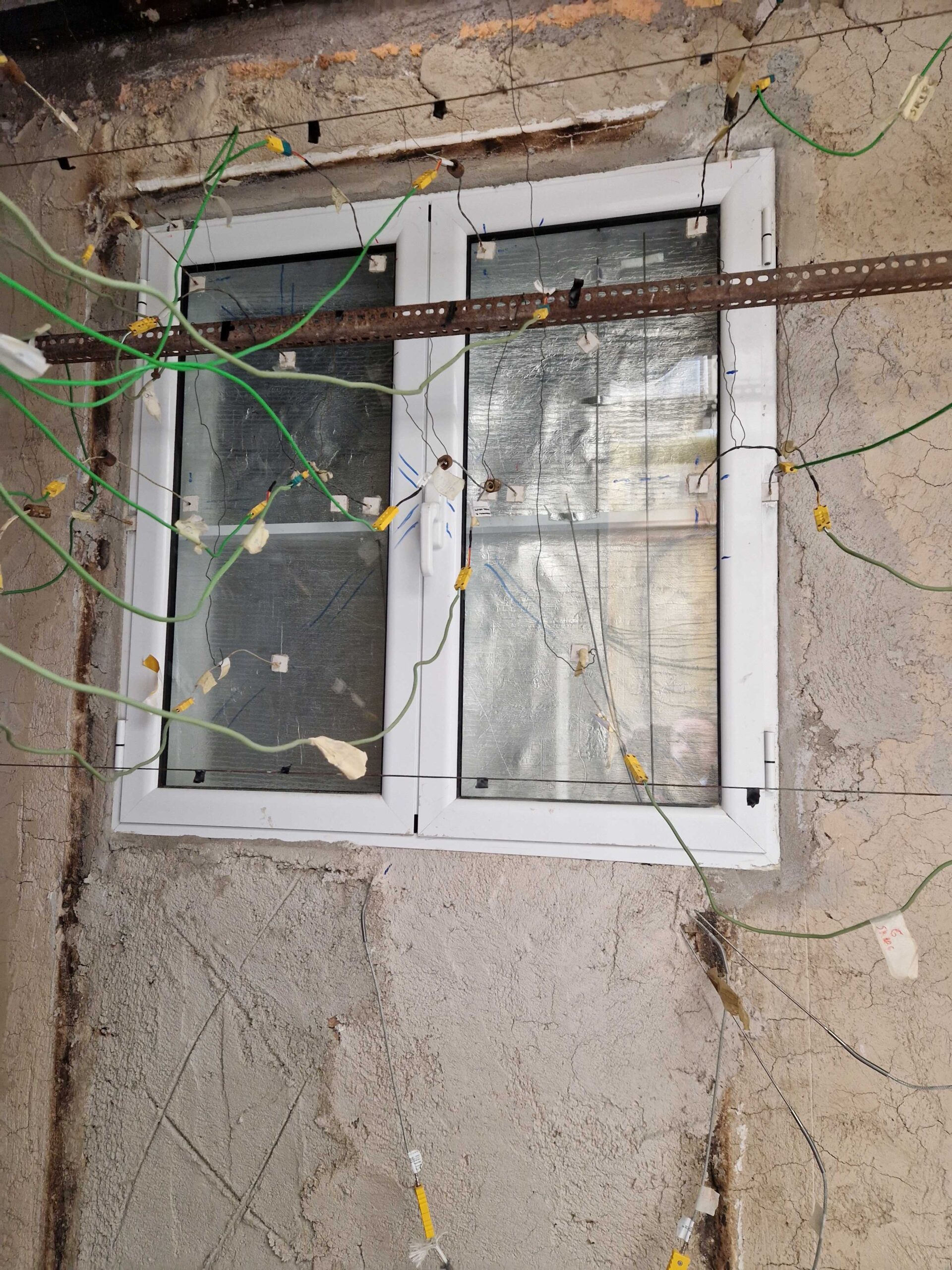
National Technical University of Athens, Greece (November 03, 2025). Fire Resistance Test: Evaluated in accordance with EN 1634-1:2014+A1:2018 and EN 1363-1:2020
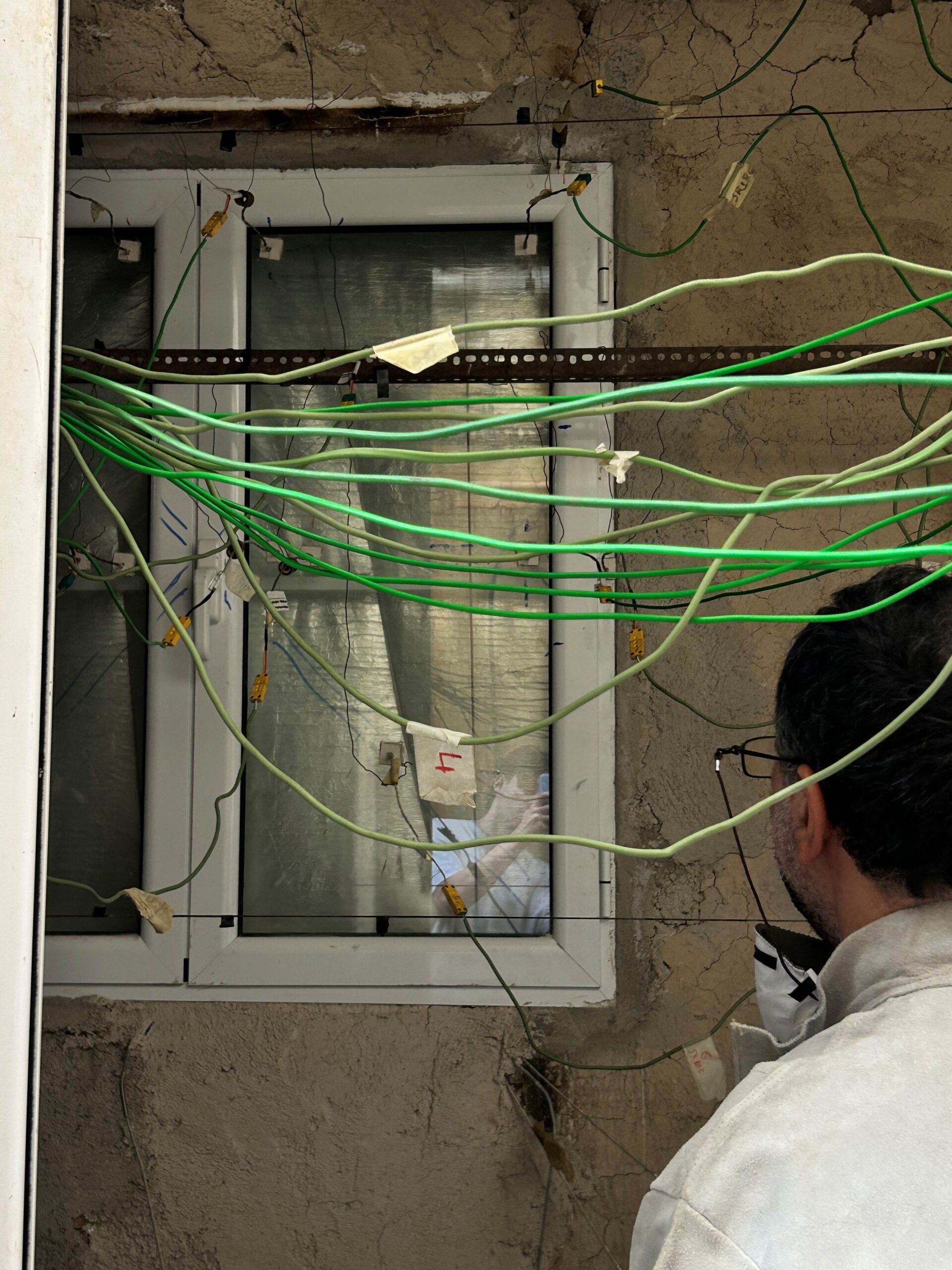
Independent fire-resistance testing was conducted at the National Technical University of Athens (NTUA), Laboratory of Strength and Materials, a certified fire-testing laboratory for structural and passive fire protection systems.
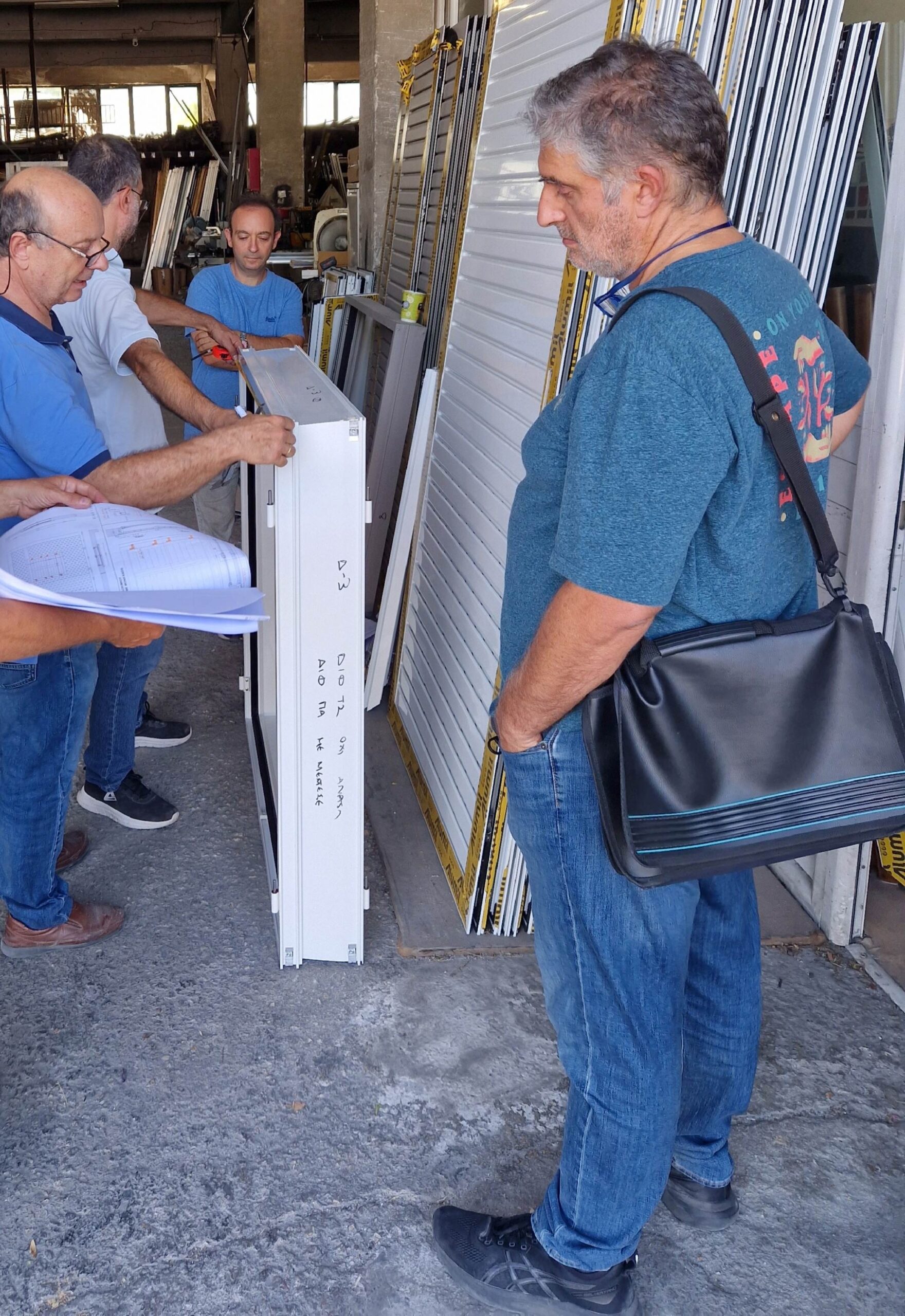
The test was carried out on November 3, 2025, in accordance with EN 1634-1:2014+A1:2018, in conjunction with EN 1363-1:2020, under the supervision of Professor Dr. P. Tsopelas, Director of the Laboratory.
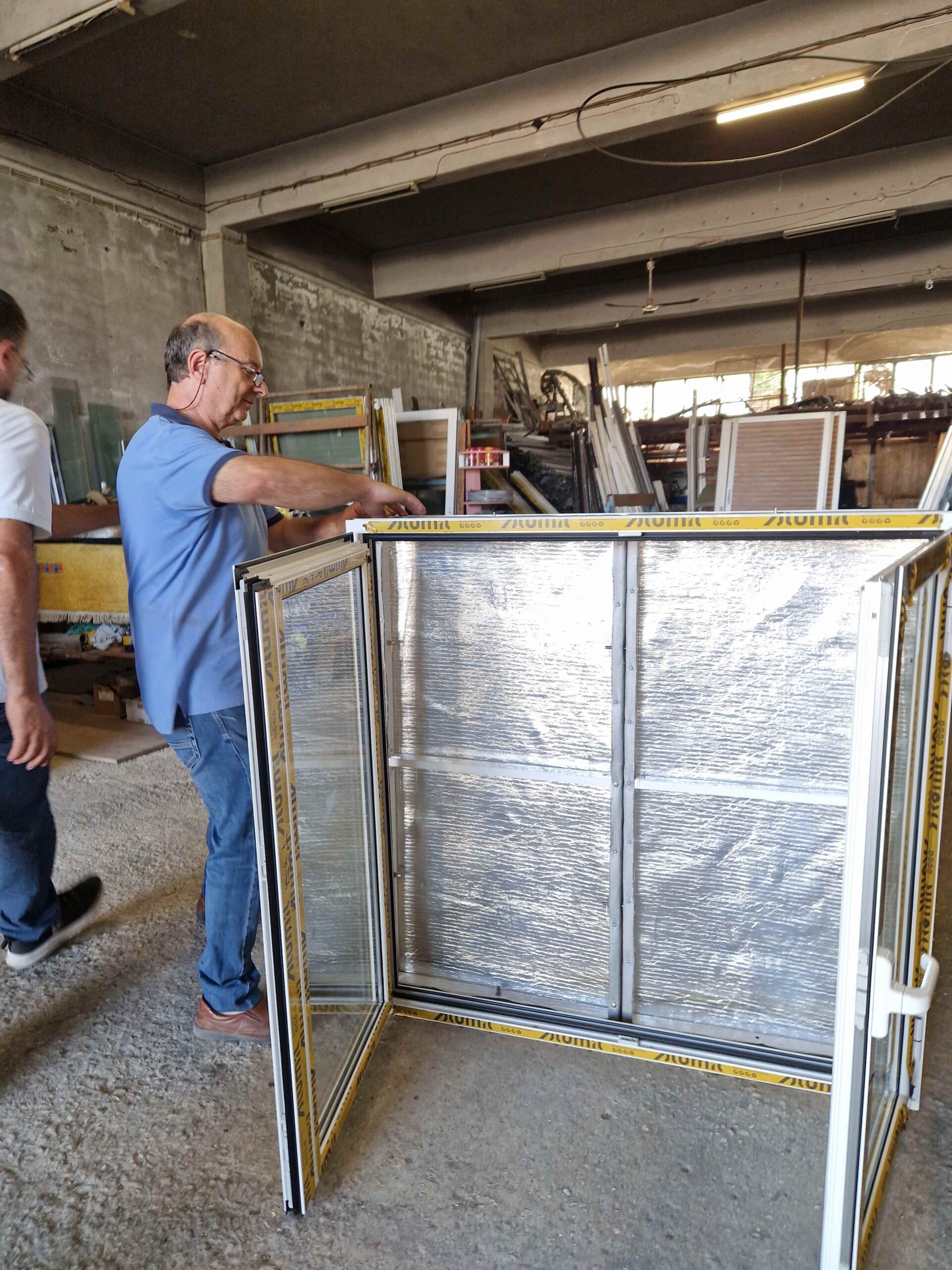
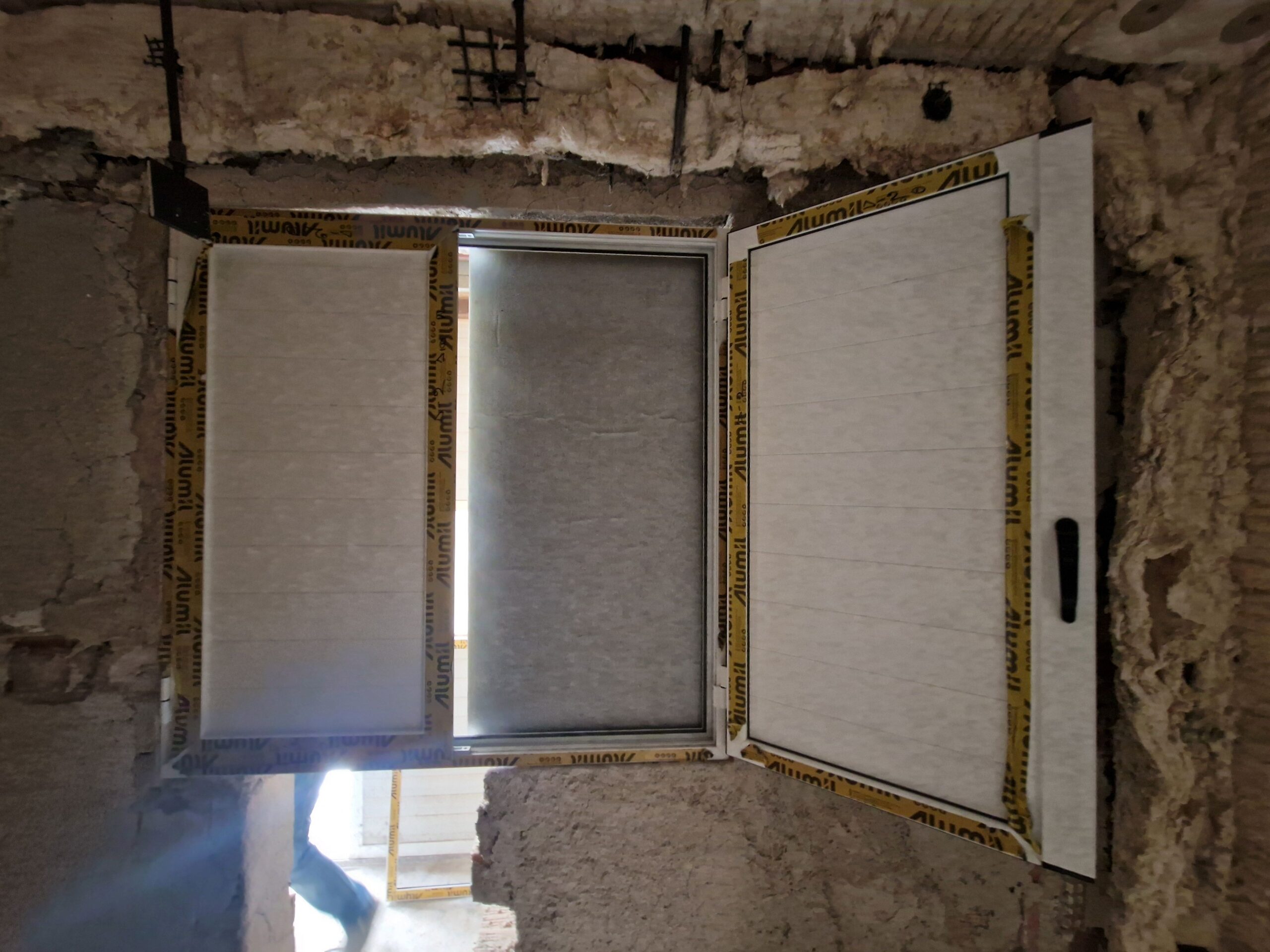
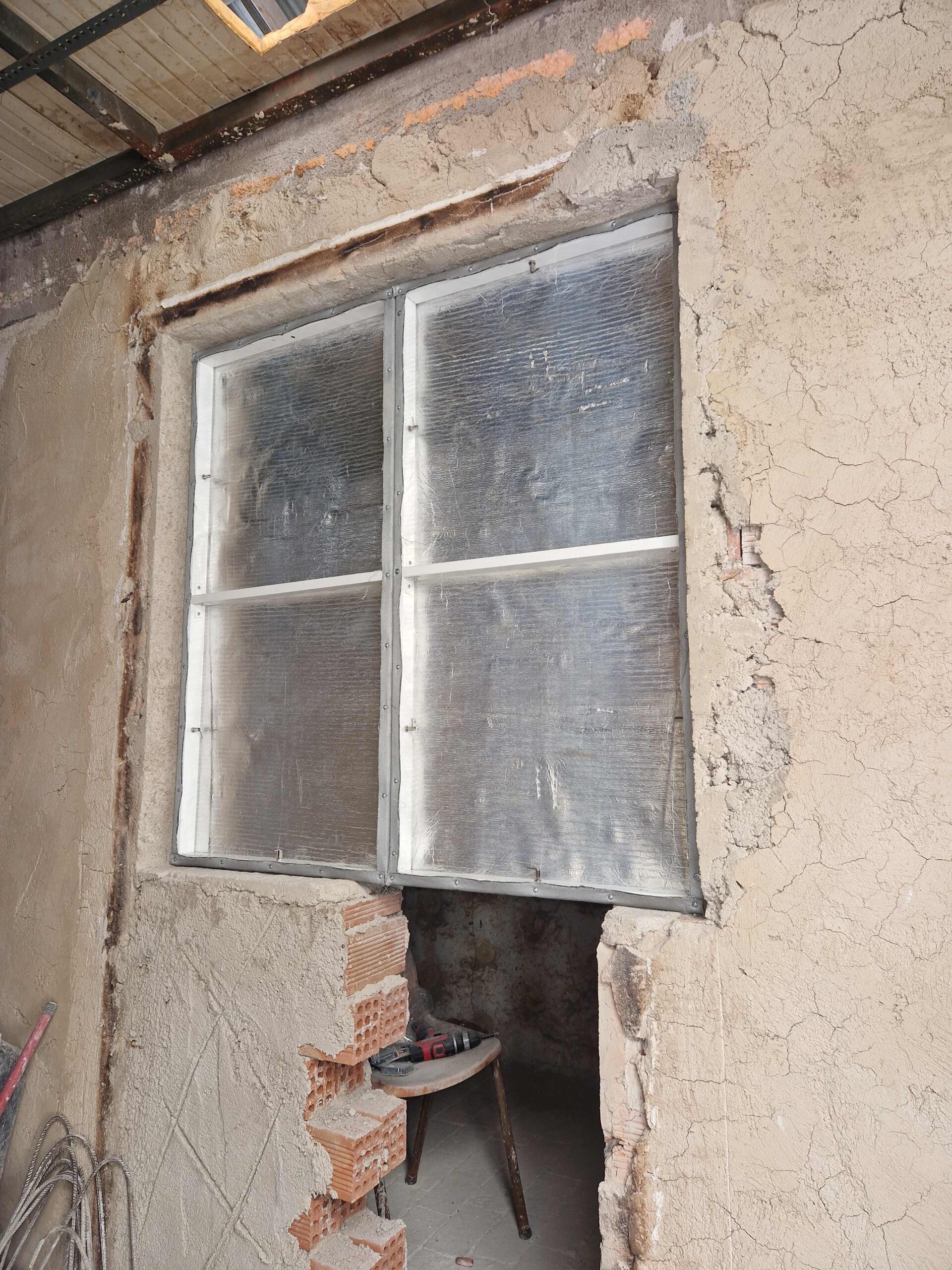
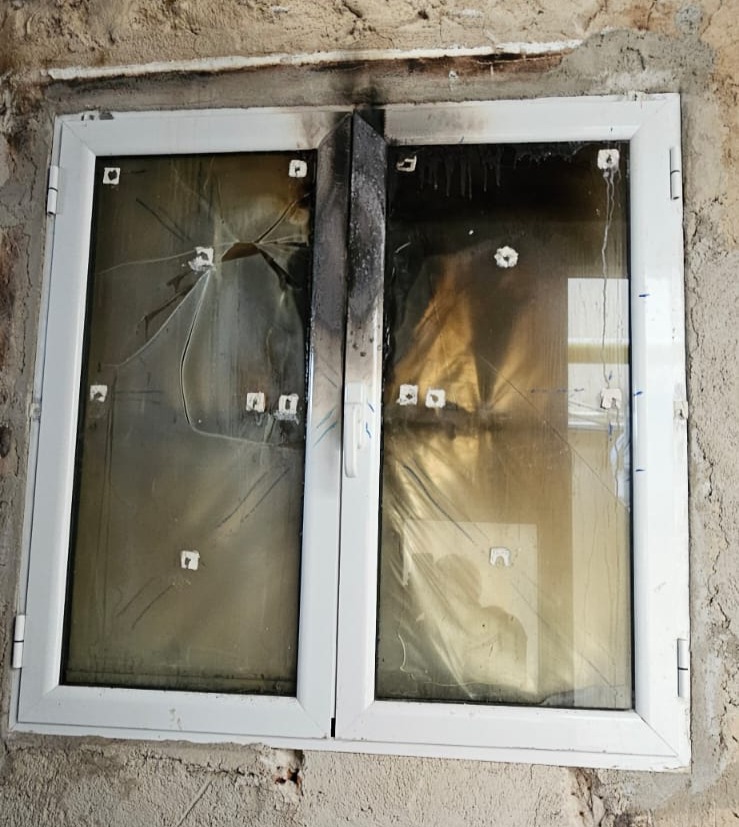
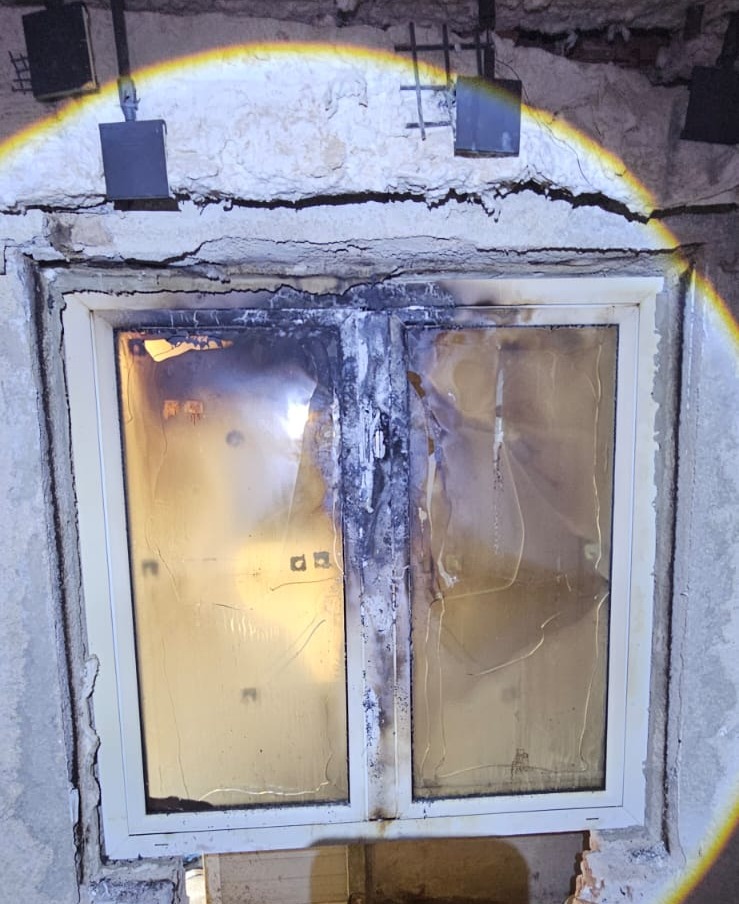
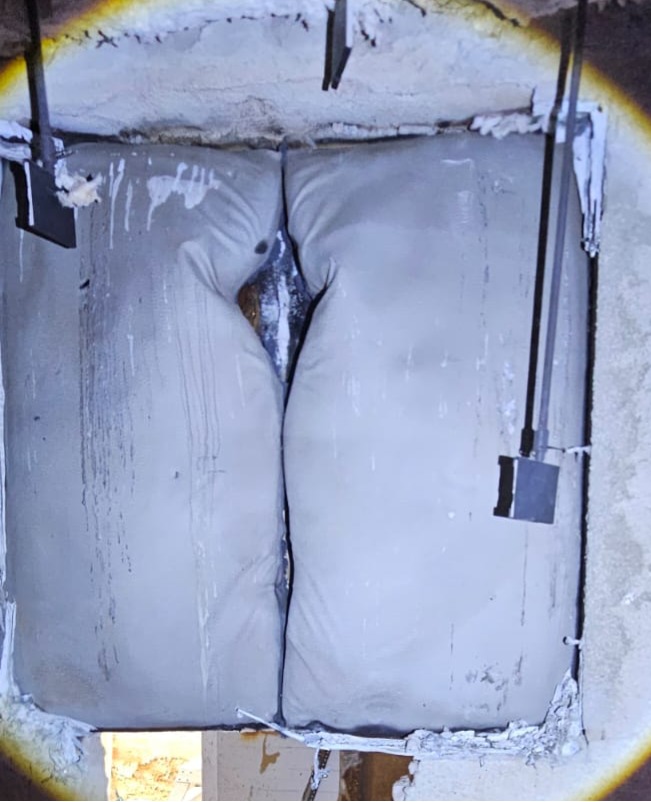
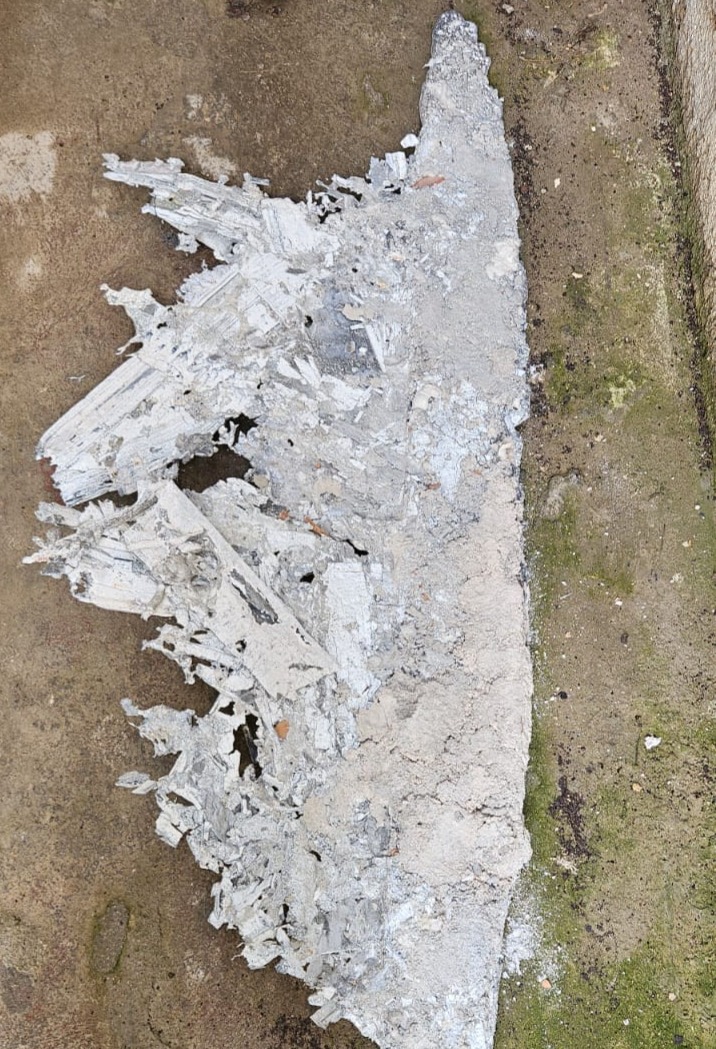
The tested specimen consisted of two aluminum shutter leaves, followed by two APIRA fire-resistant fabric panel leaves, and two aluminum-framed double-glazed window leaves, forming a layered external fire-shielding configuration.
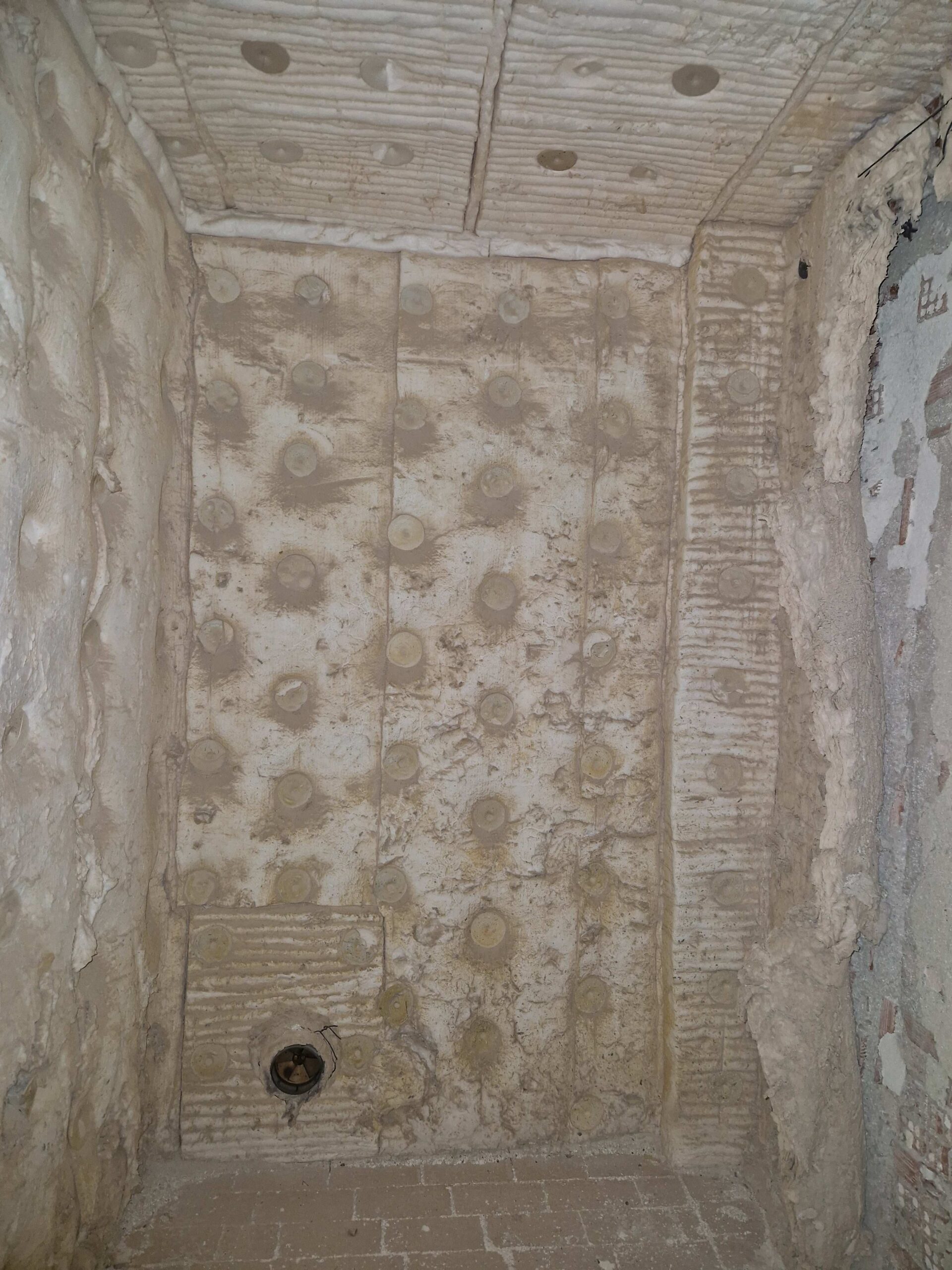
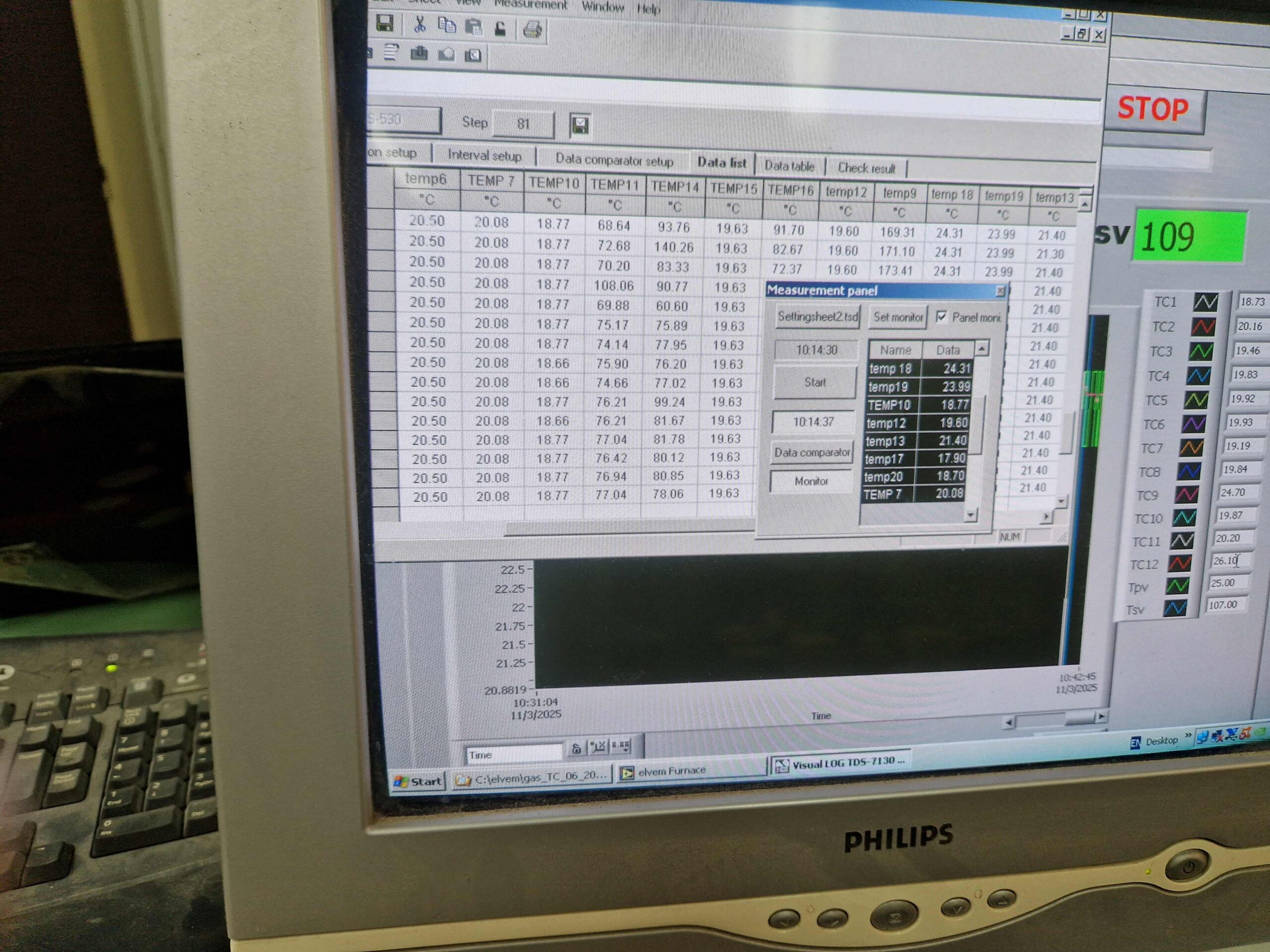
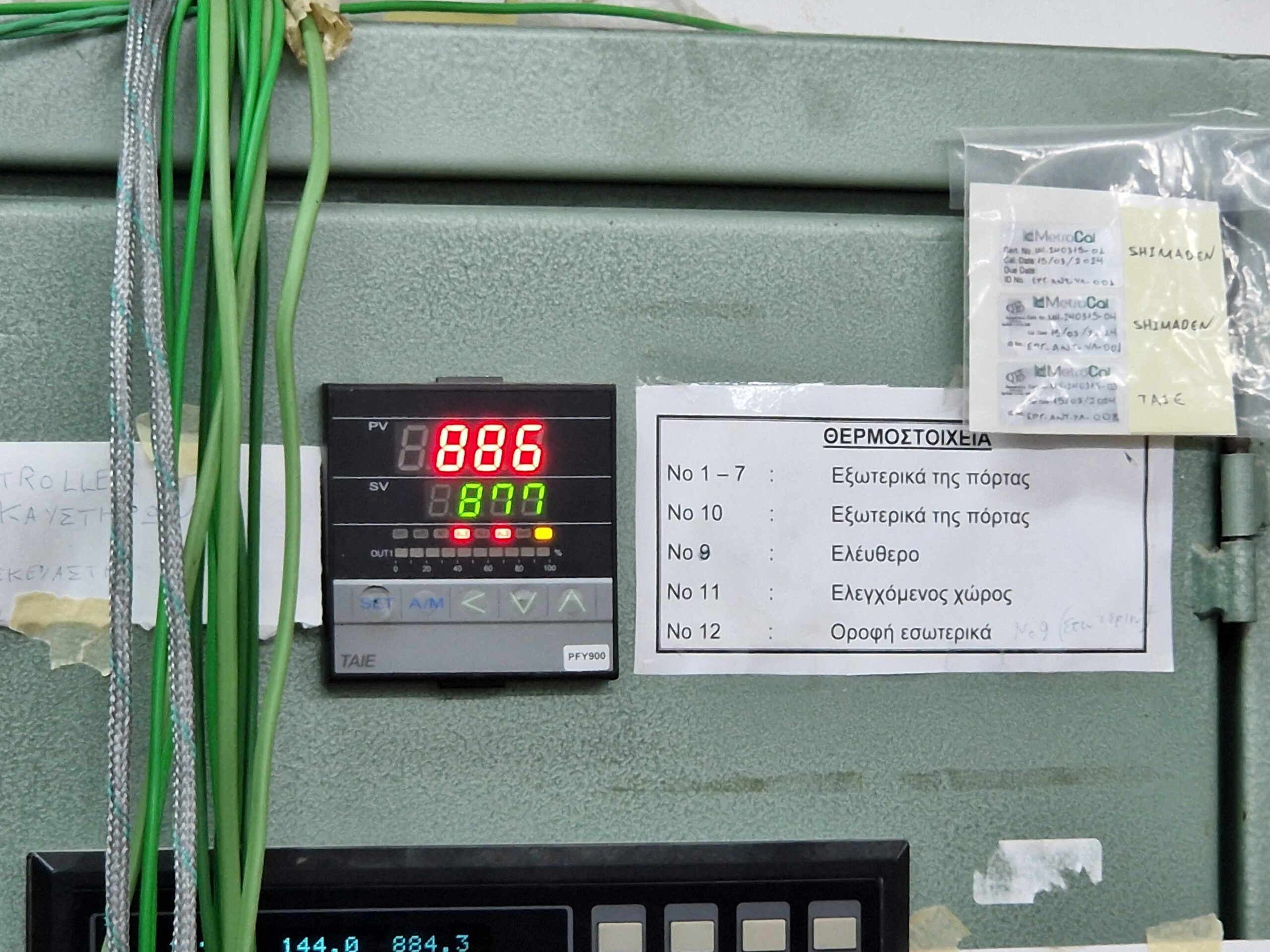
During testing, furnace temperatures reached approximately 900°C.
The results showed that for 36 minutes, the APIRA system effectively protected the window, preventing fire from reaching the interior side.
Test Results
- Outside fire: ~900°C.
- Interior side of the window: ~80–140°C.
- Fire protection: 36 minutes.
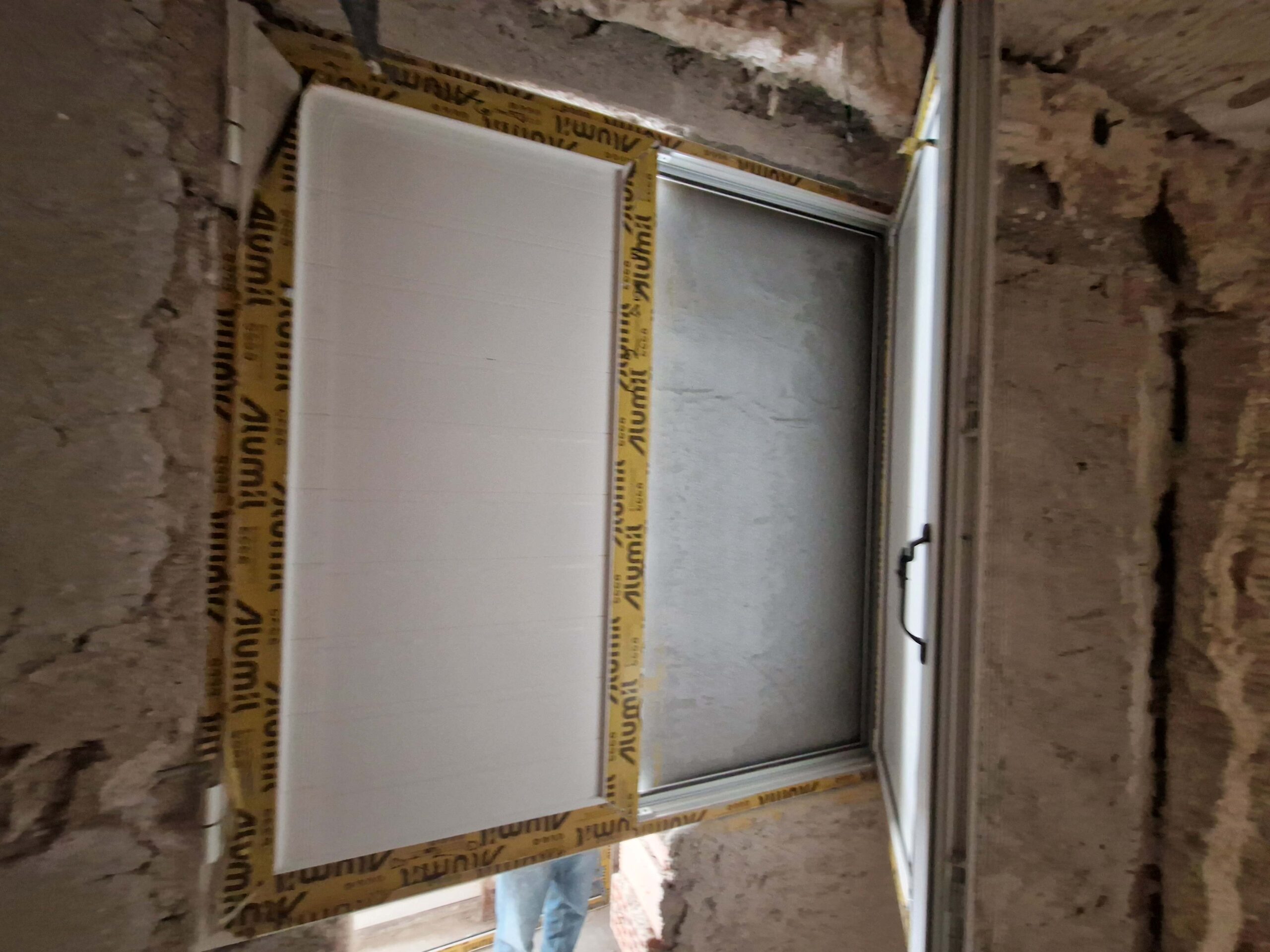
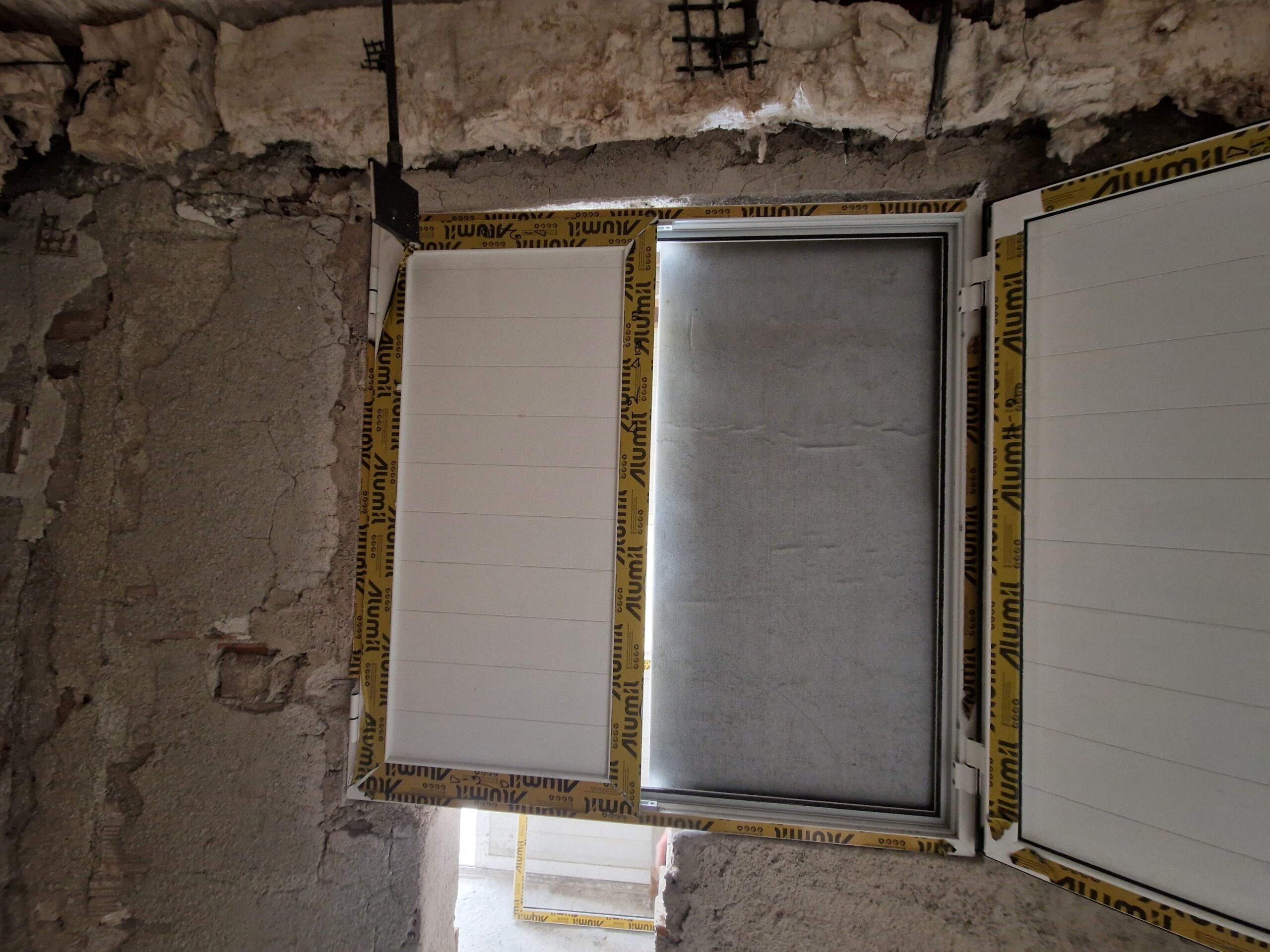
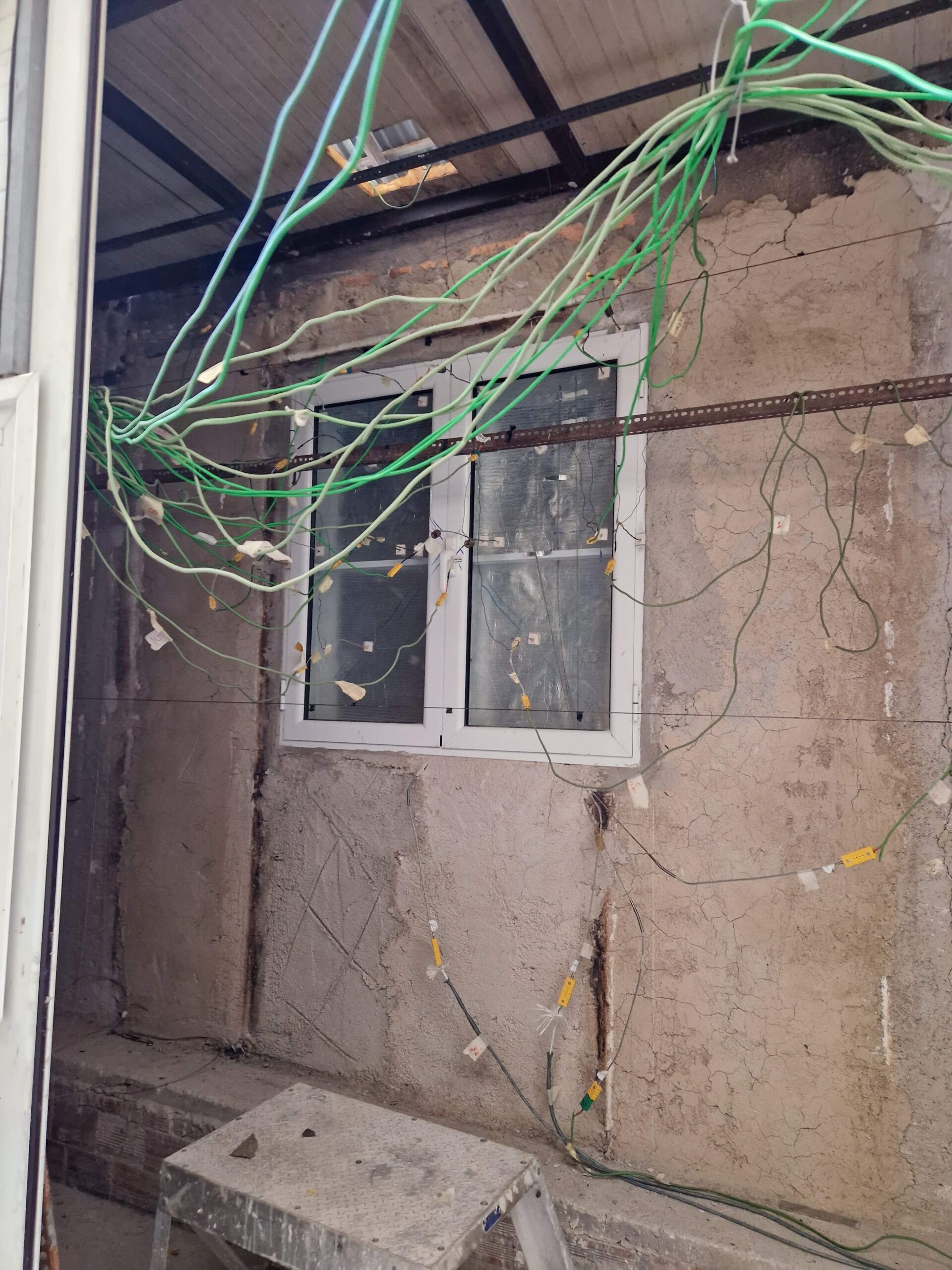
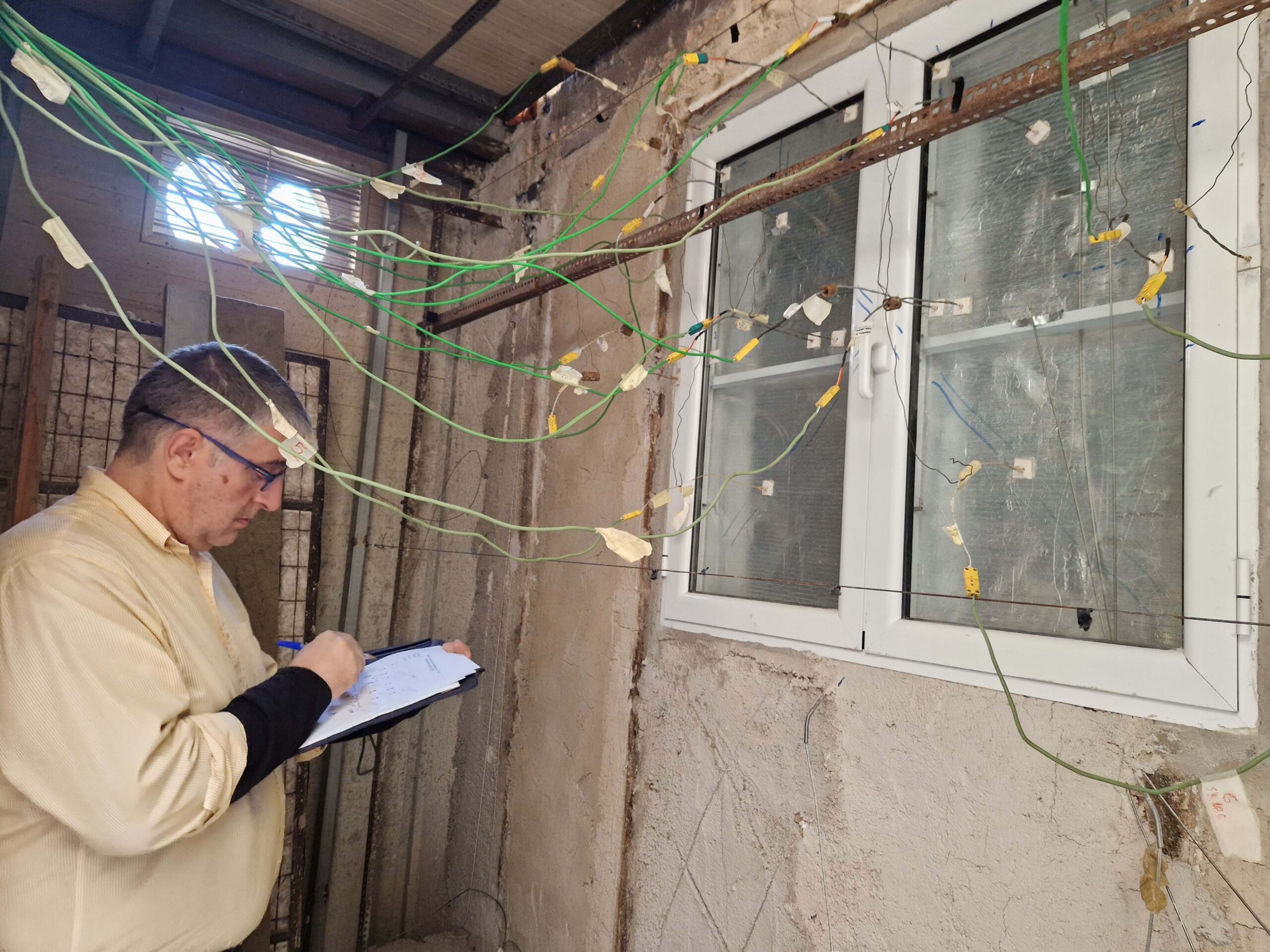
Key findings
- Fire Integrity (E): 36 minutes. This means that for 36 minutes, the system prevented flames and fire from passing through to the interior side of the building.
- Test Duration: 37 minutes. After 36 minutes, flames finally penetrated to the interior side, marking the system’s limit.
- Thermal Insulation (I): 37 minutes. This means that for 37 minutes, the system limited heat transfer, keeping the temperature on the interior side significantly lower and helping protect the indoor environment from extreme heat.
- The structural frame remained stable and continued to provide effective protection throughout the test, despite exposure to fire temperatures approaching 900°C.
✅ Tested. Verified. Trusted.
National Technical University of Athens, Greece (October 08, 2025) Fire Test: Shielding Windows from 1.000°C Wildland Flames
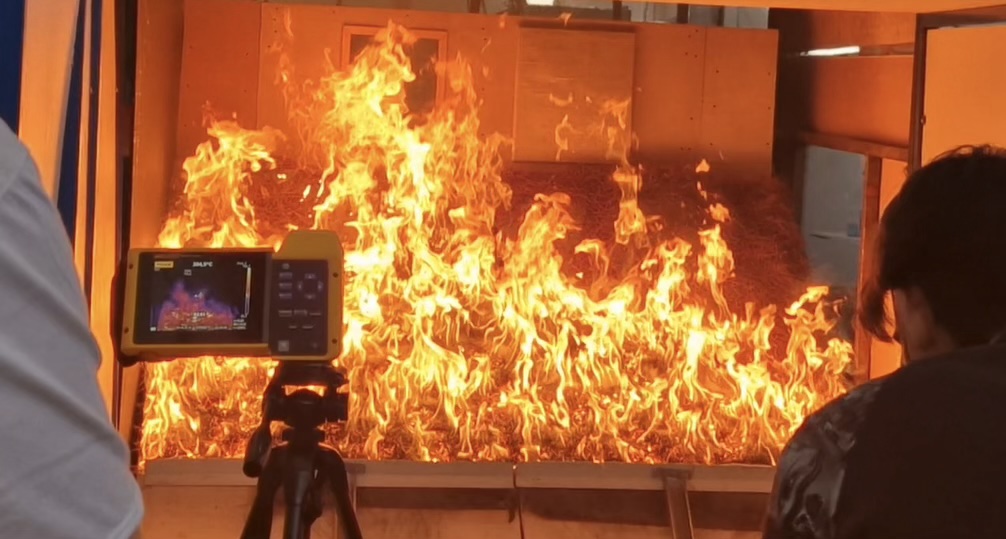
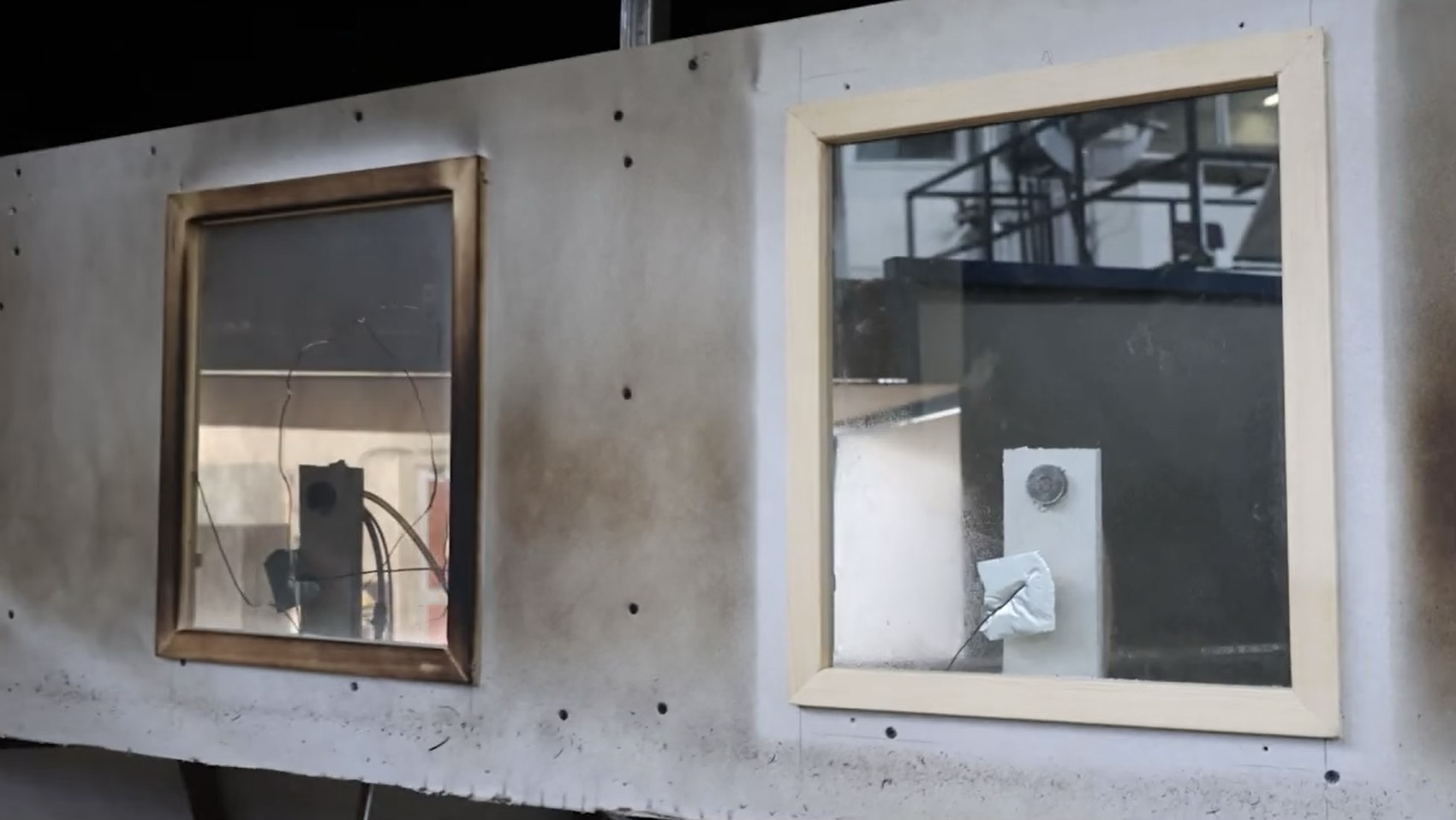
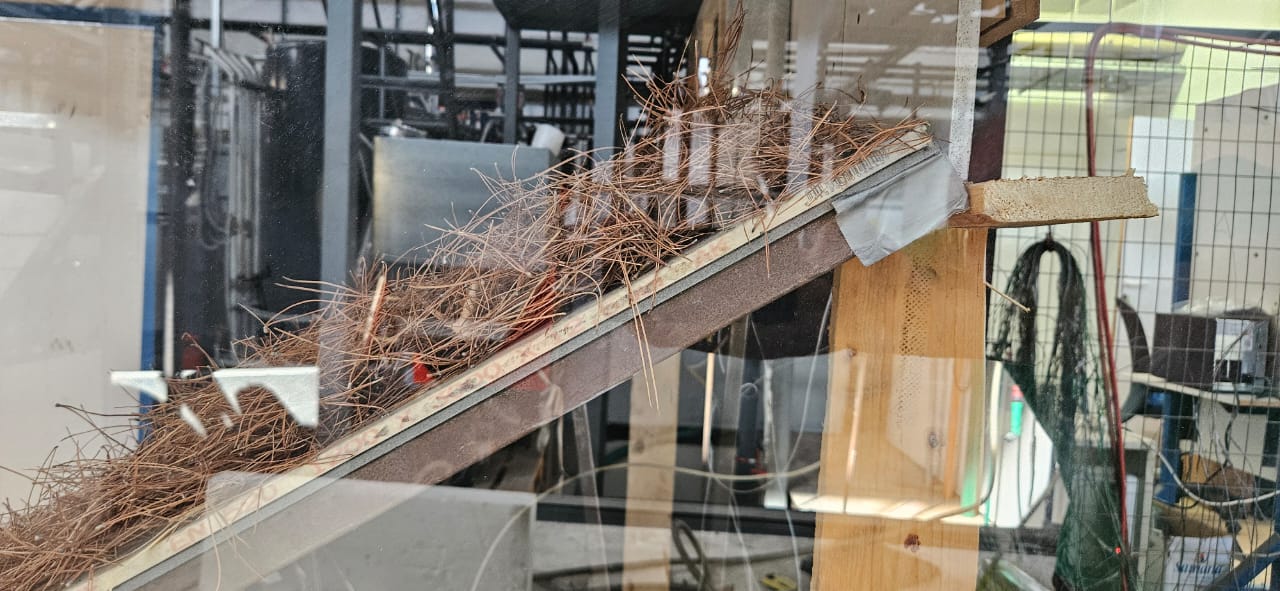
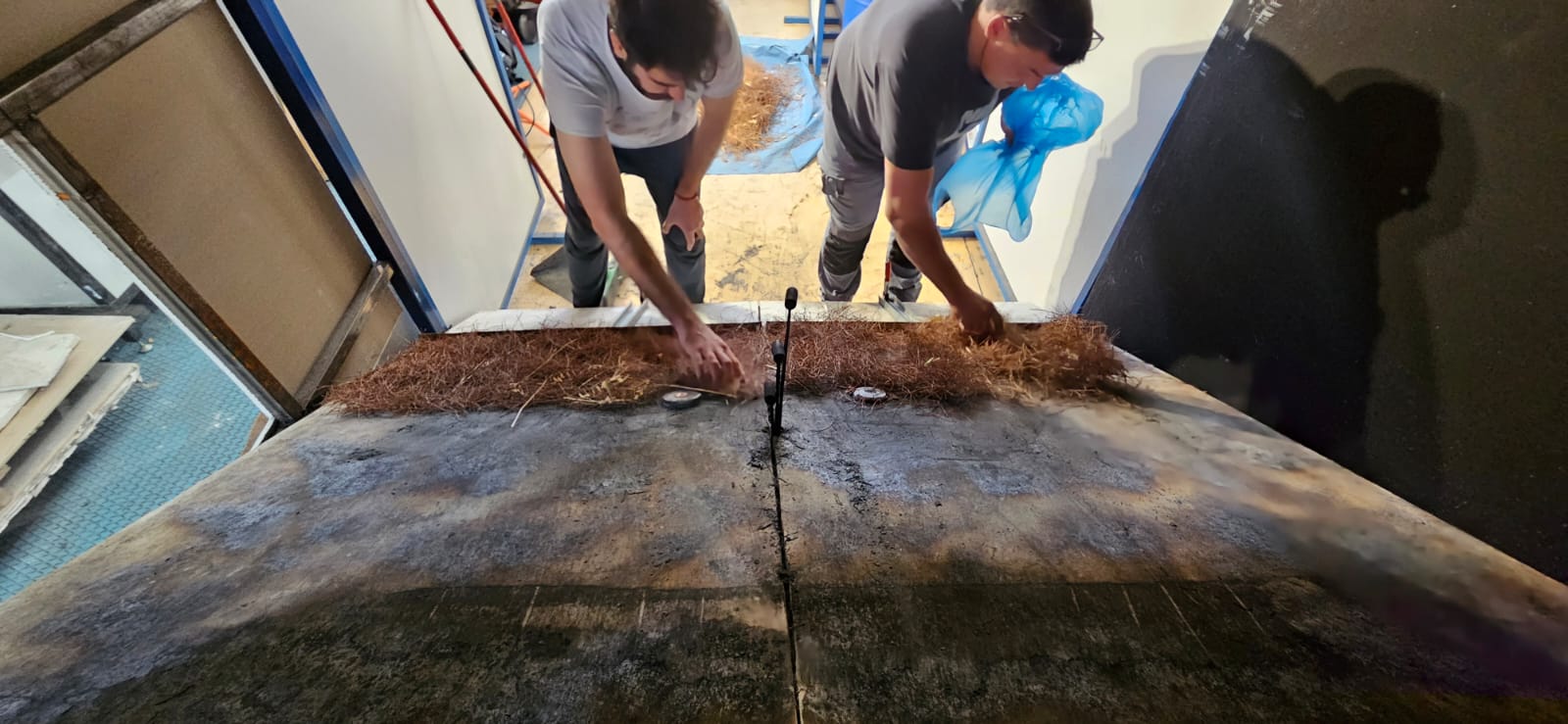
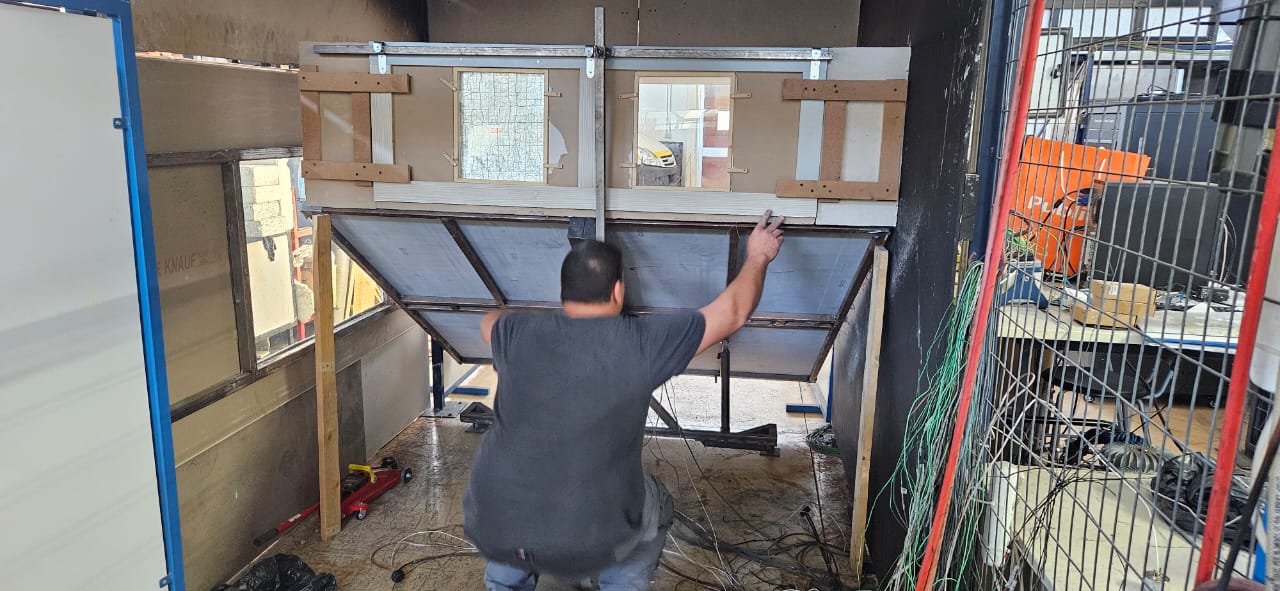
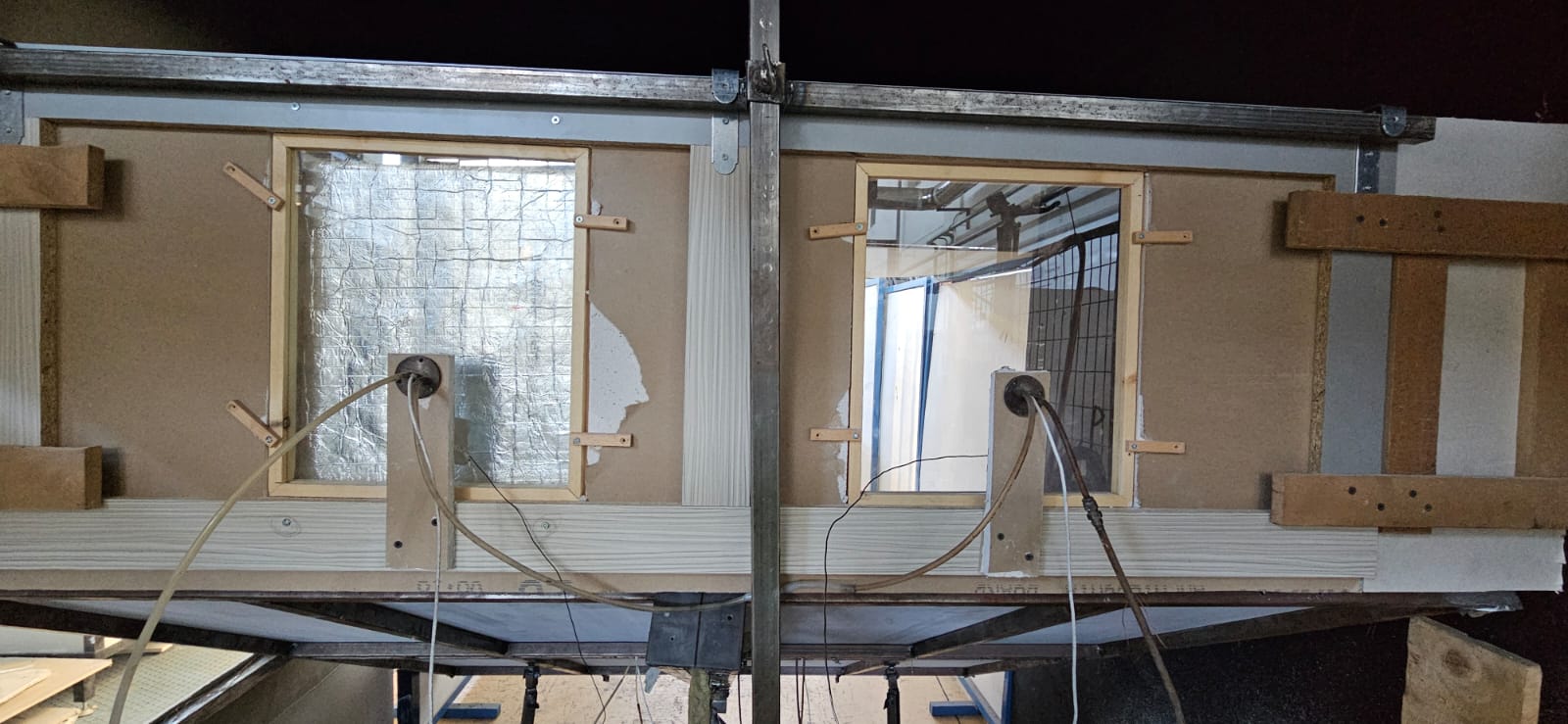
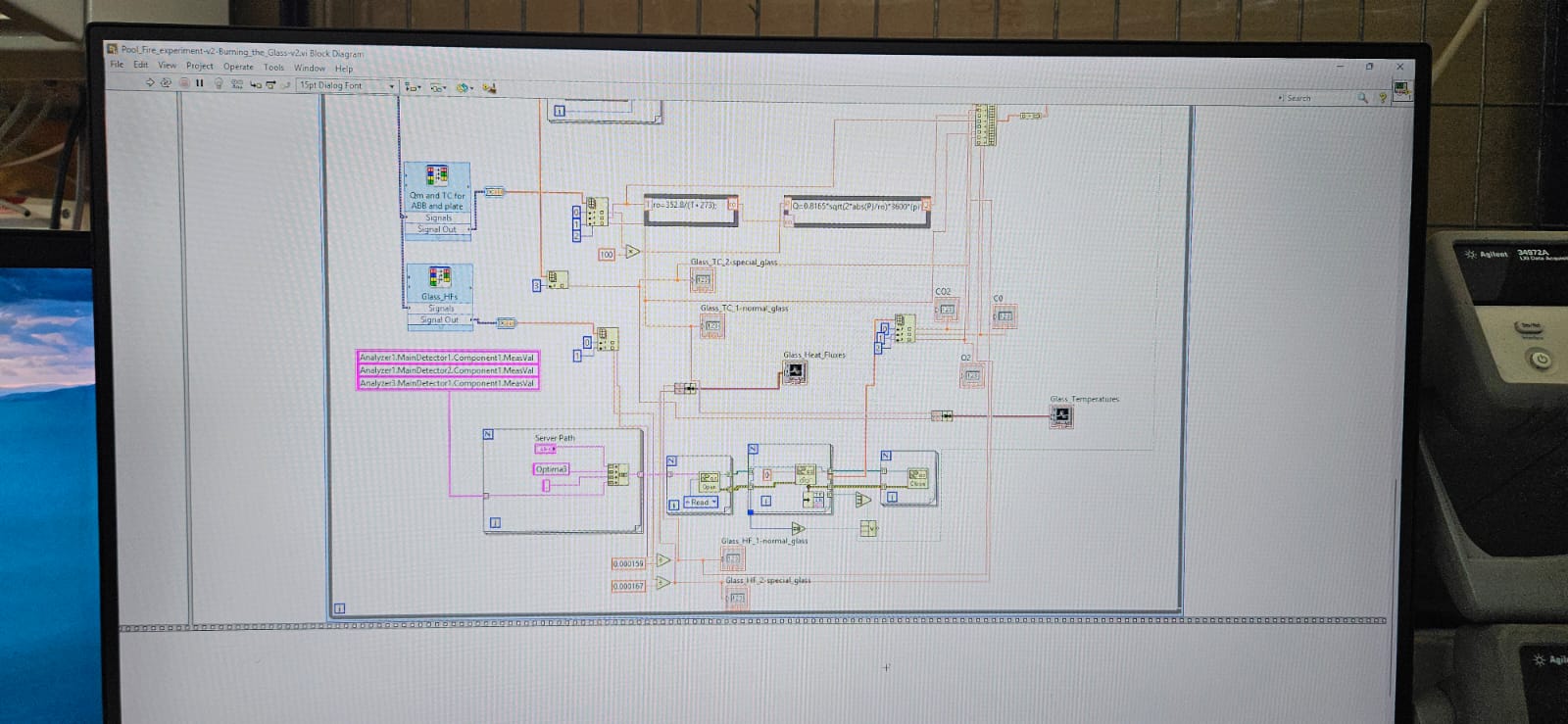
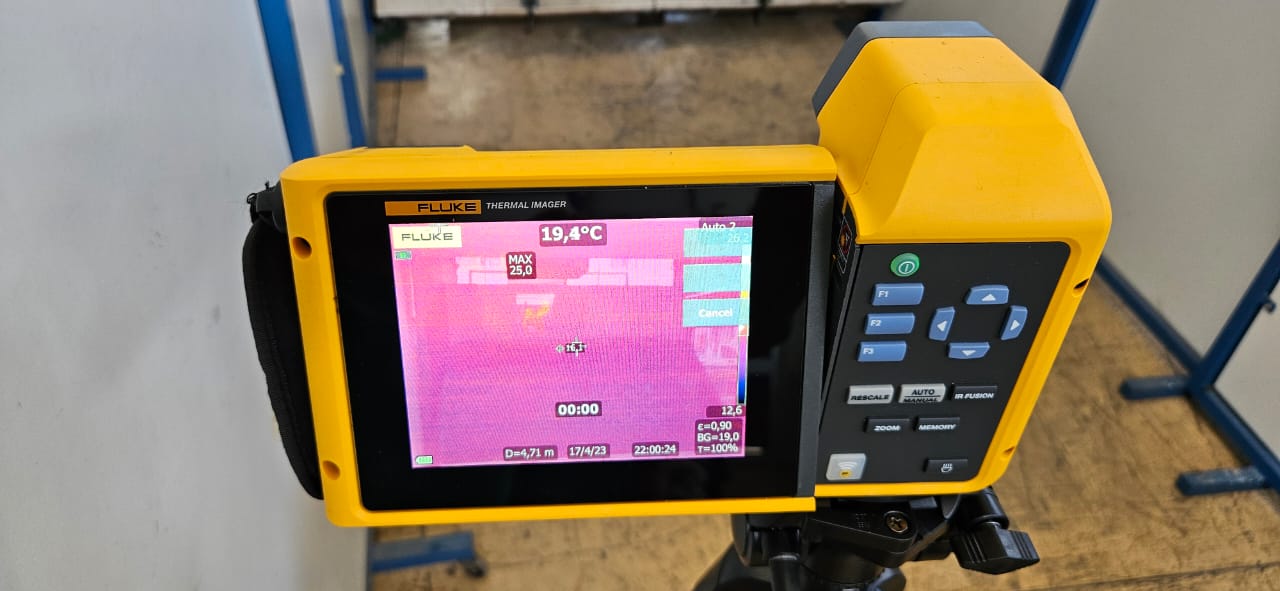
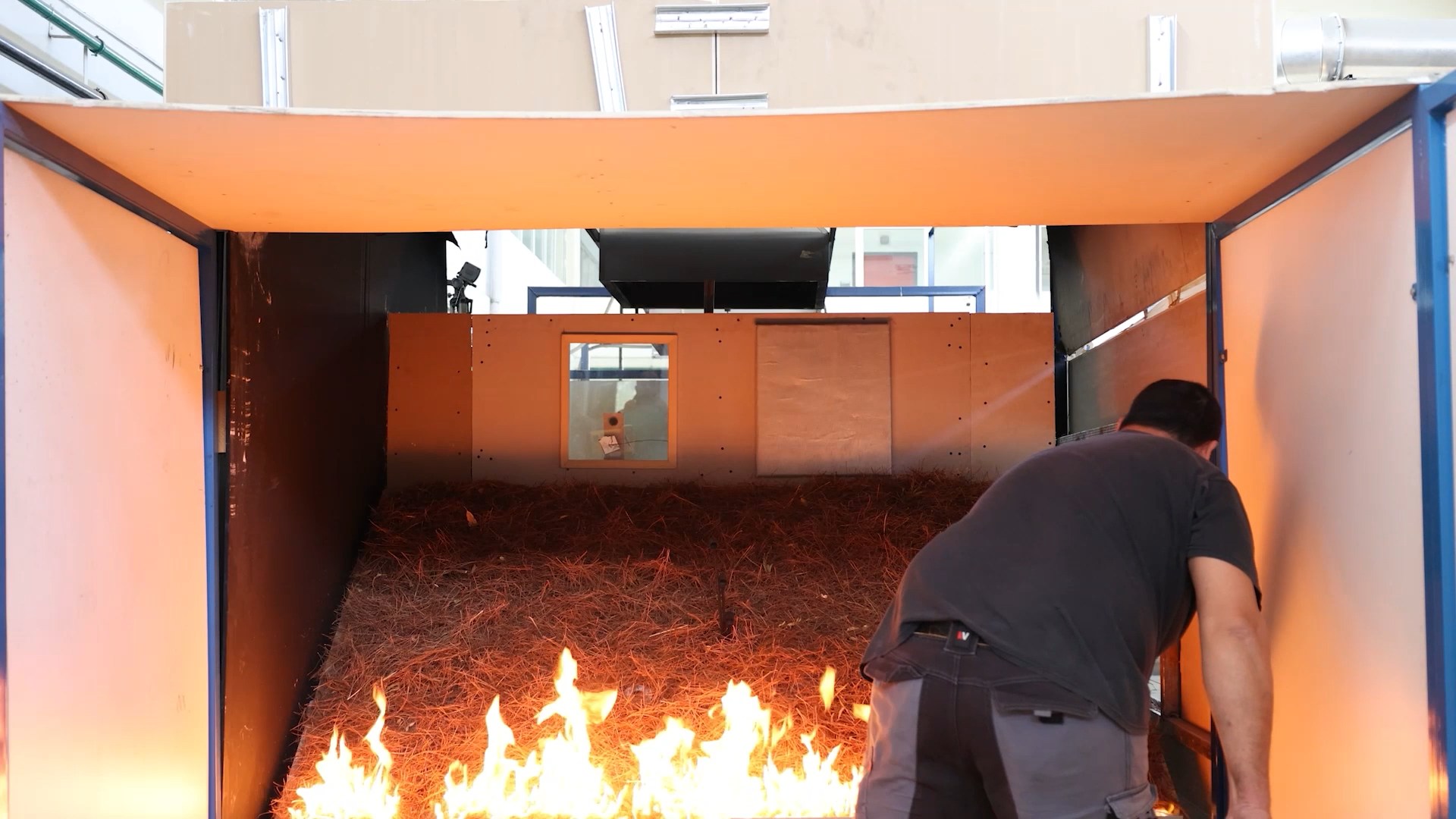
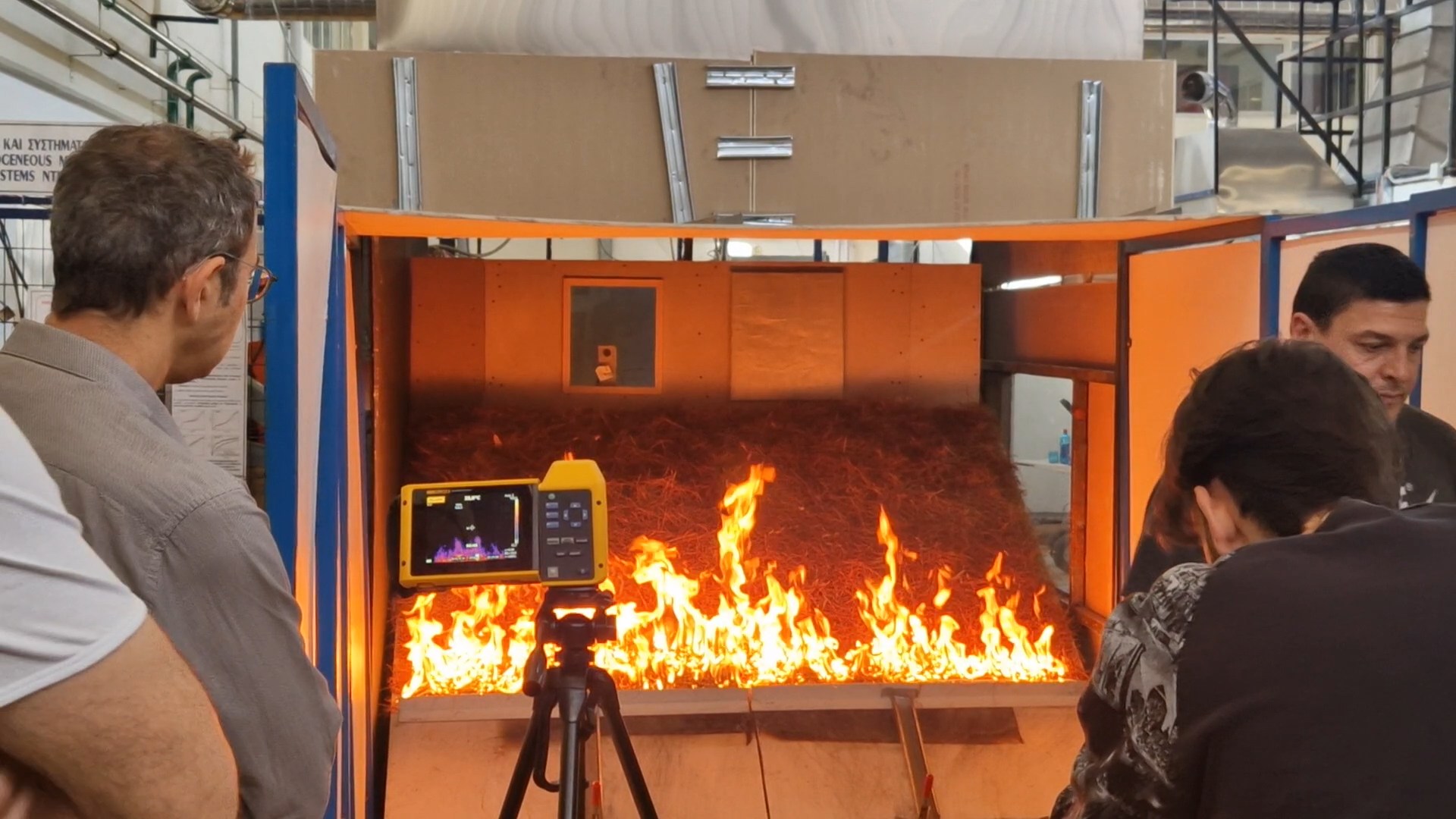
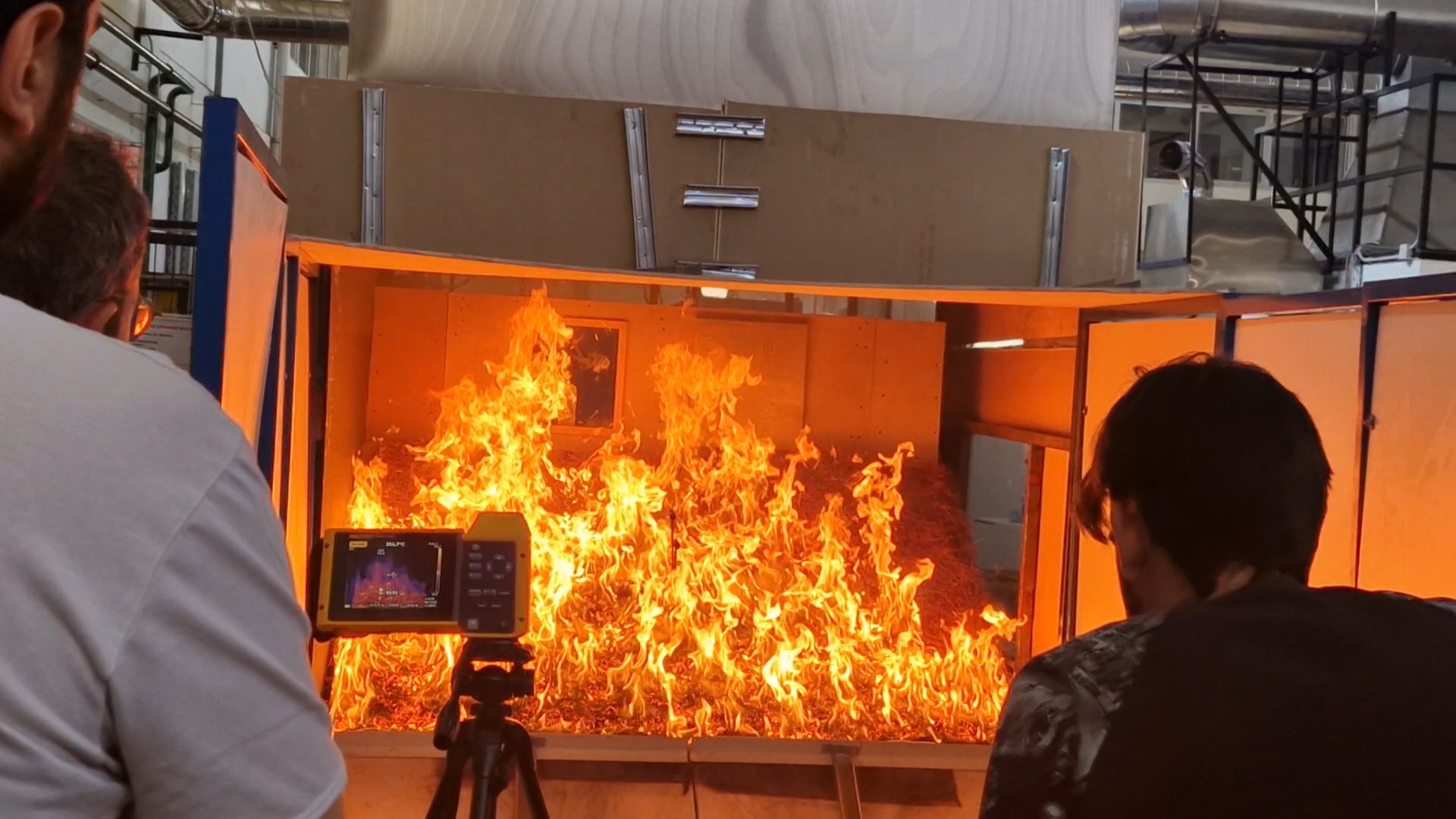
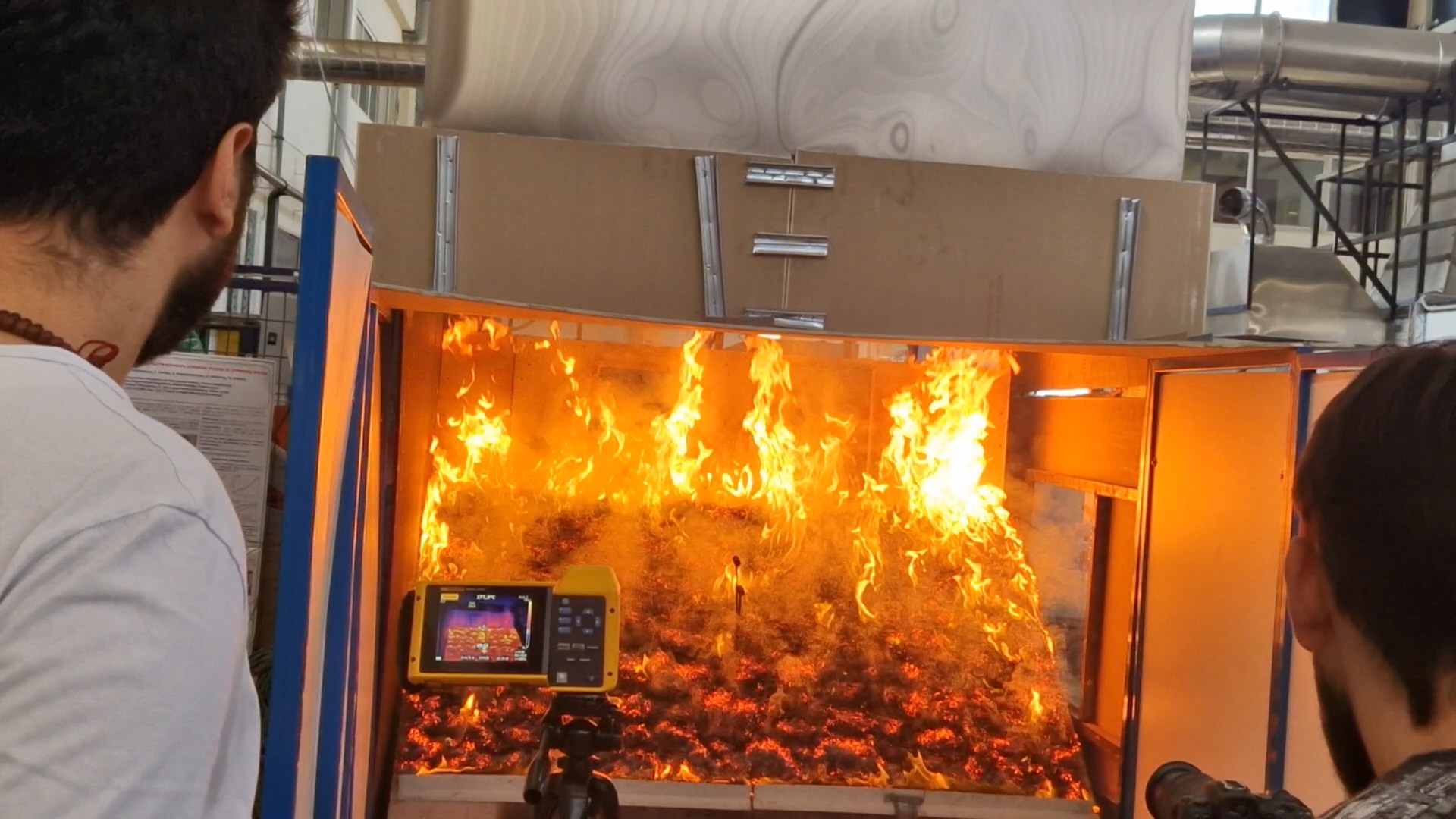
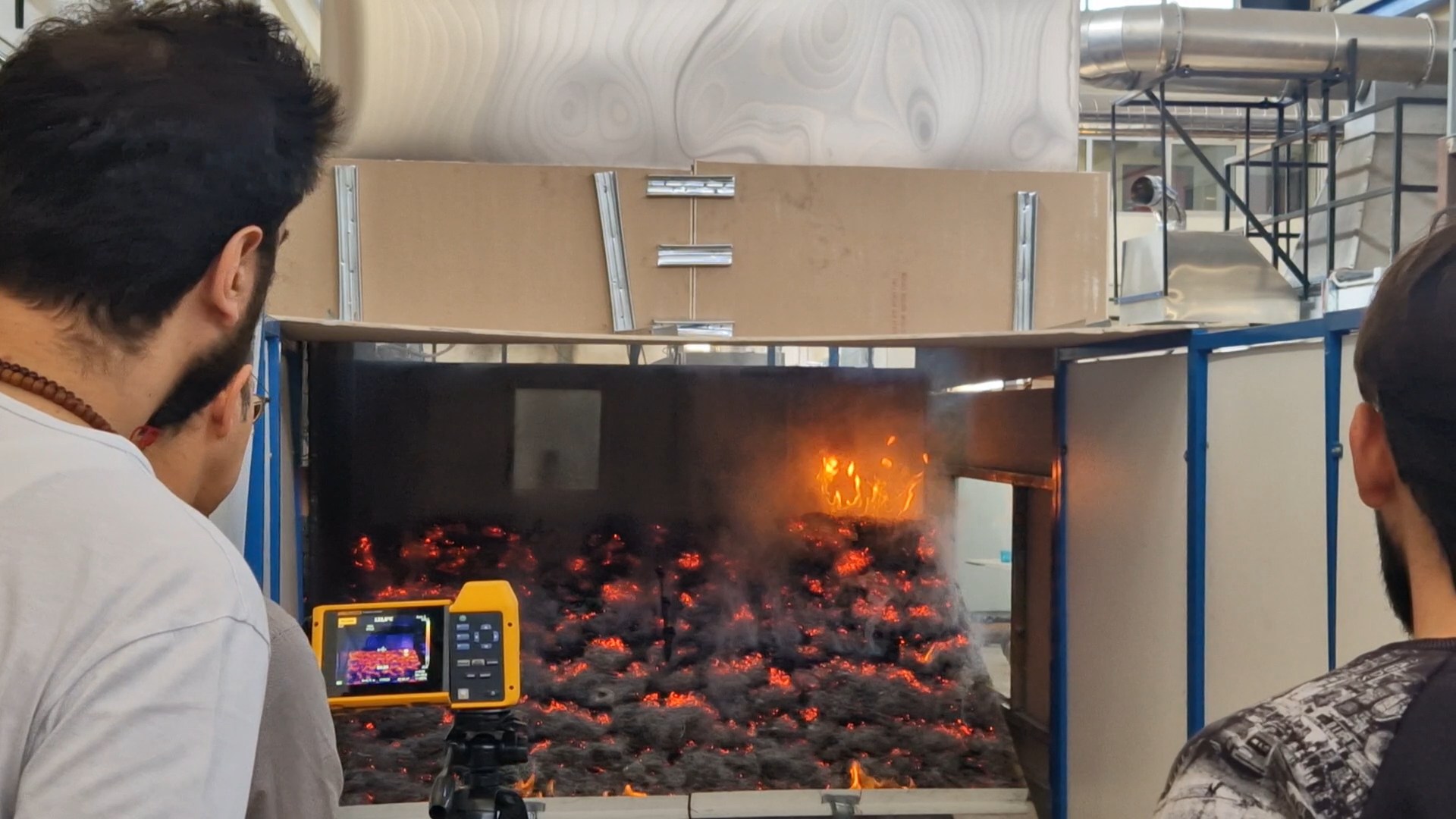
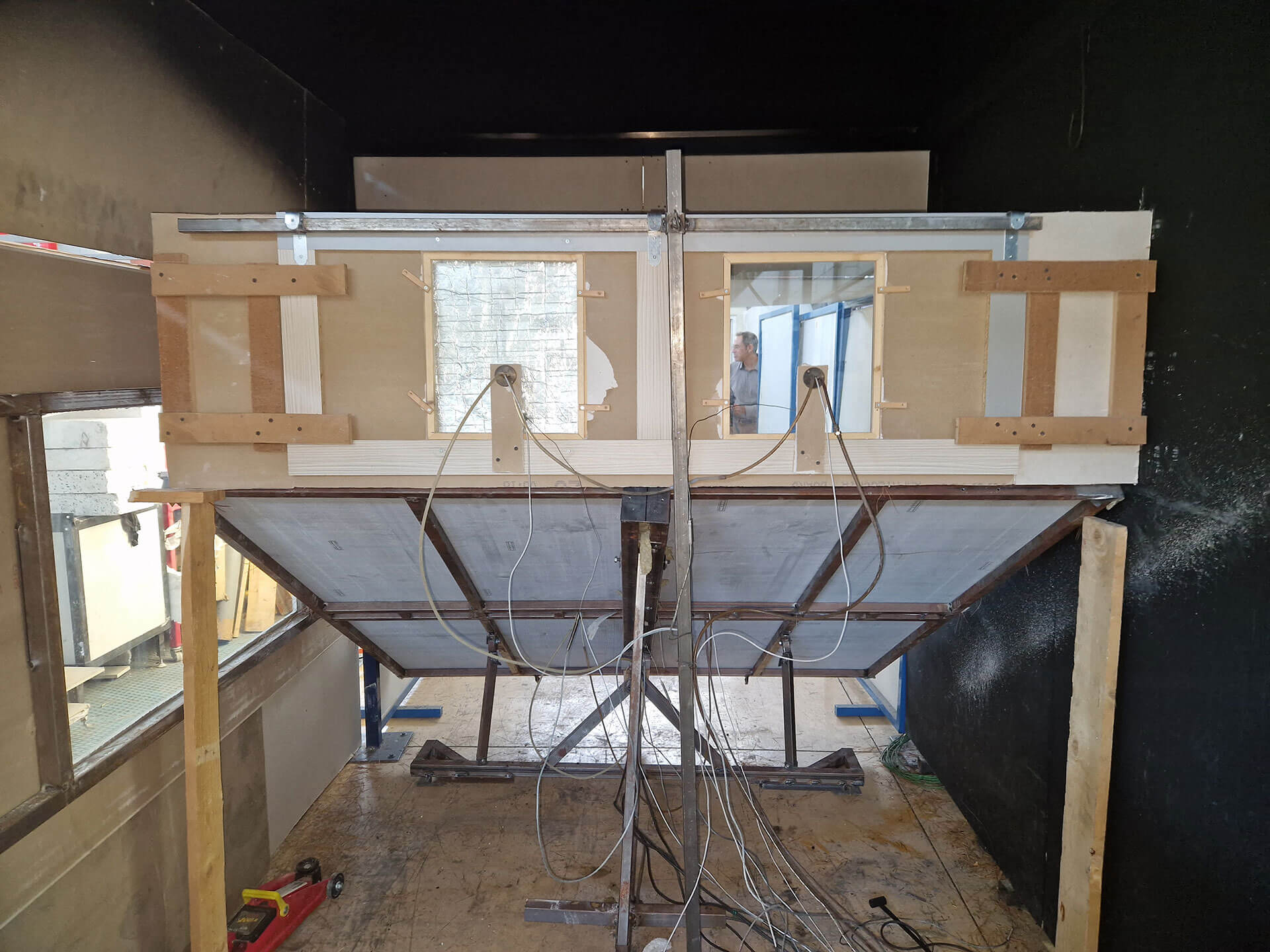
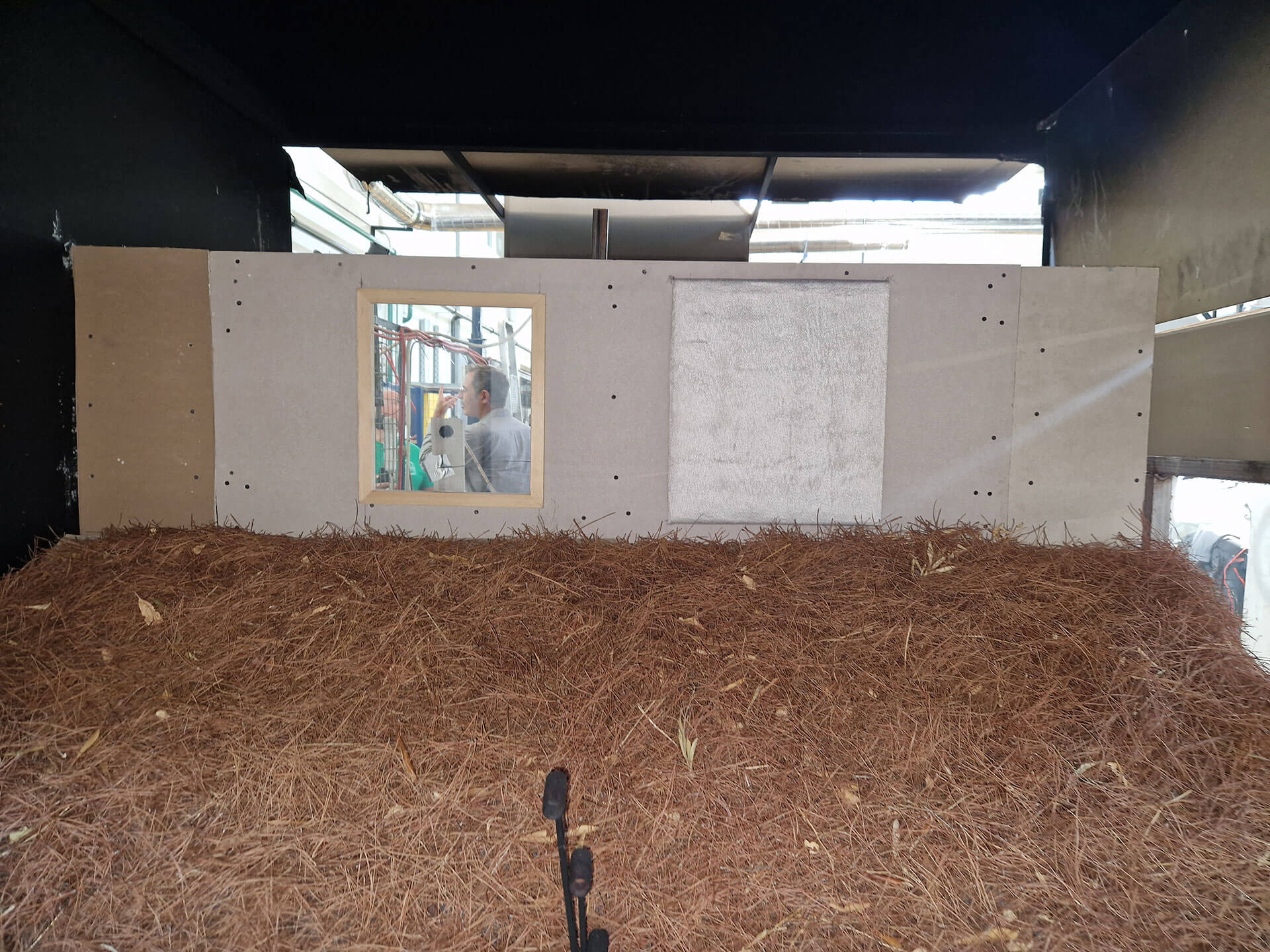
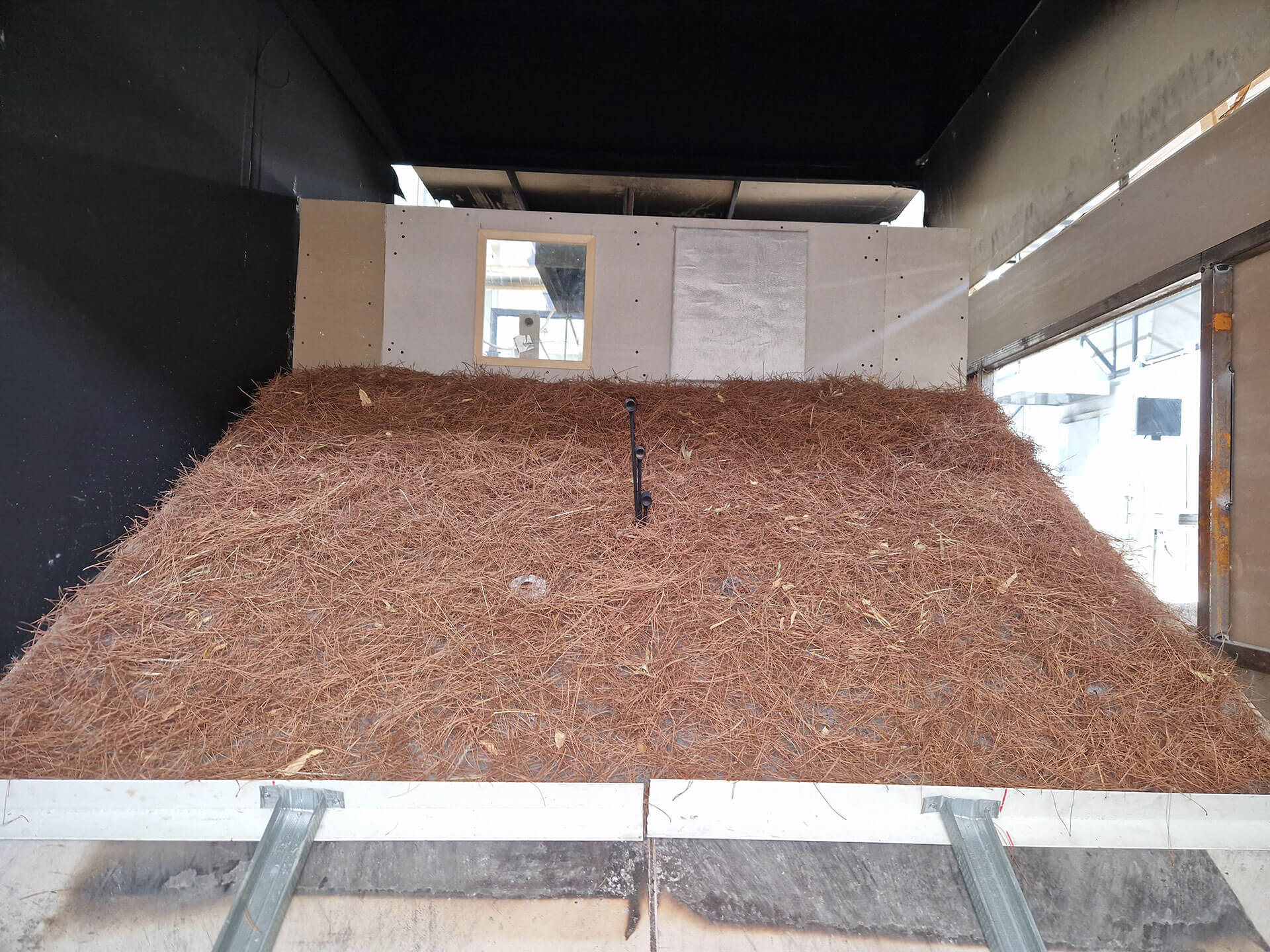
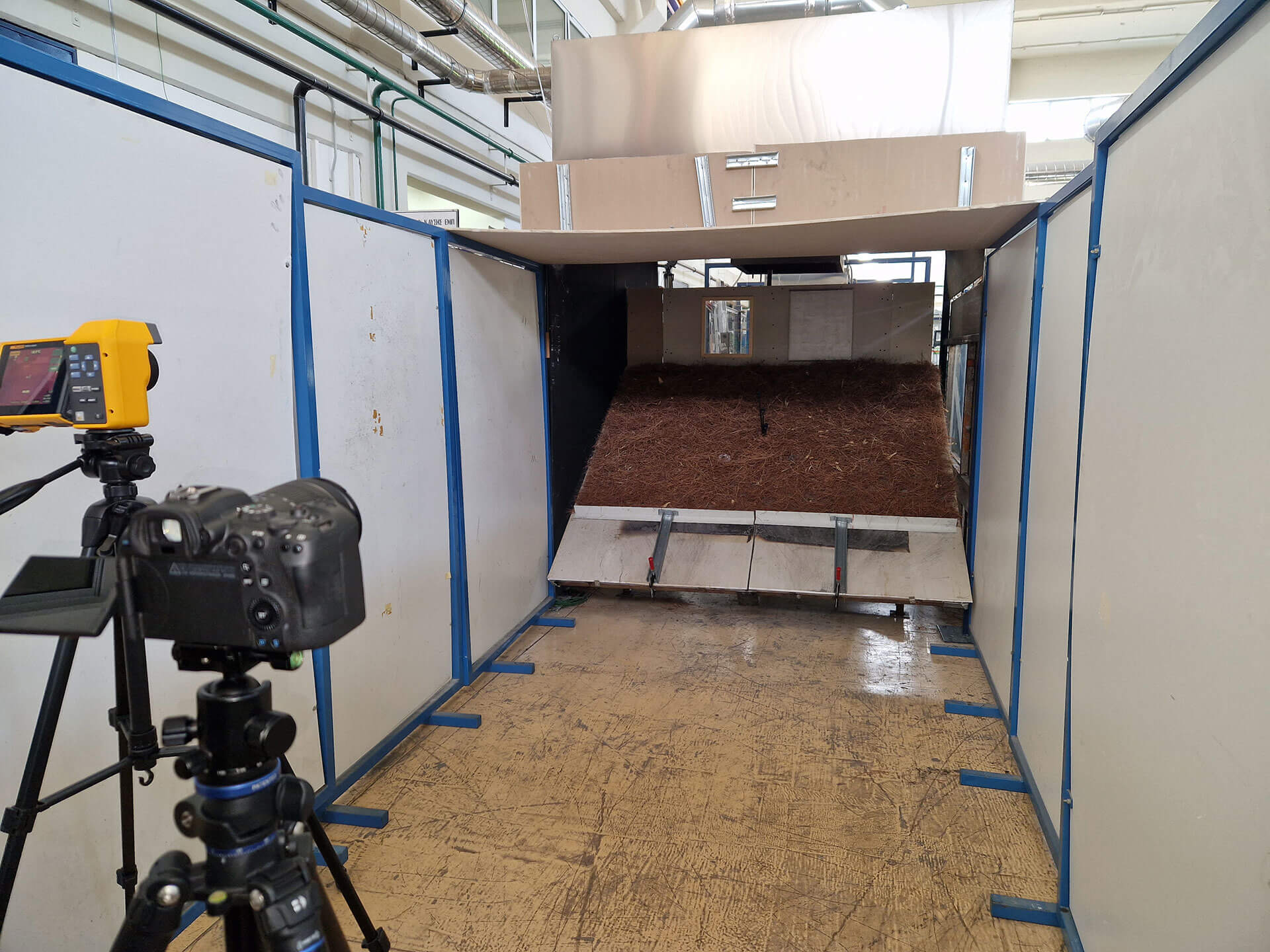
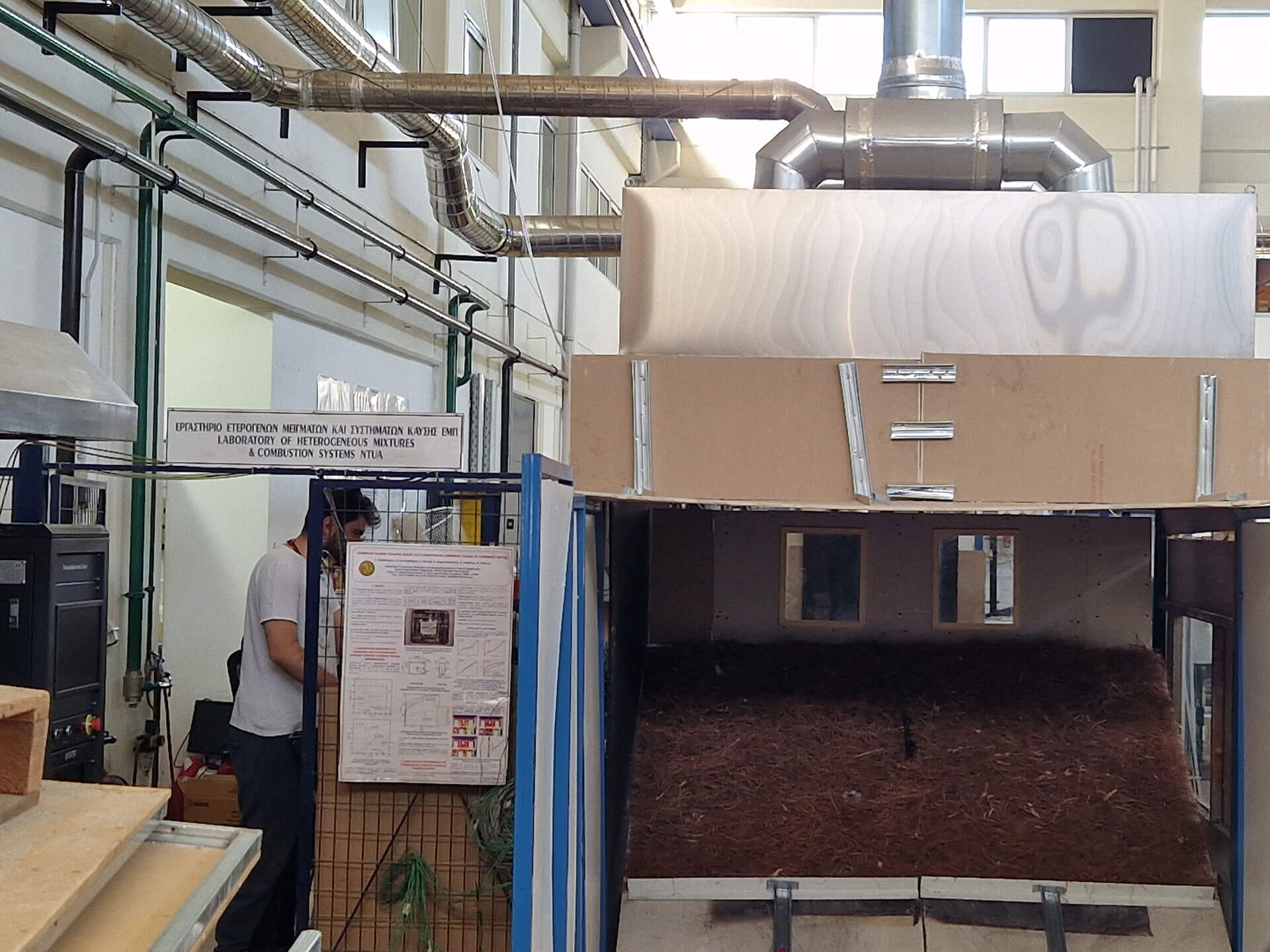
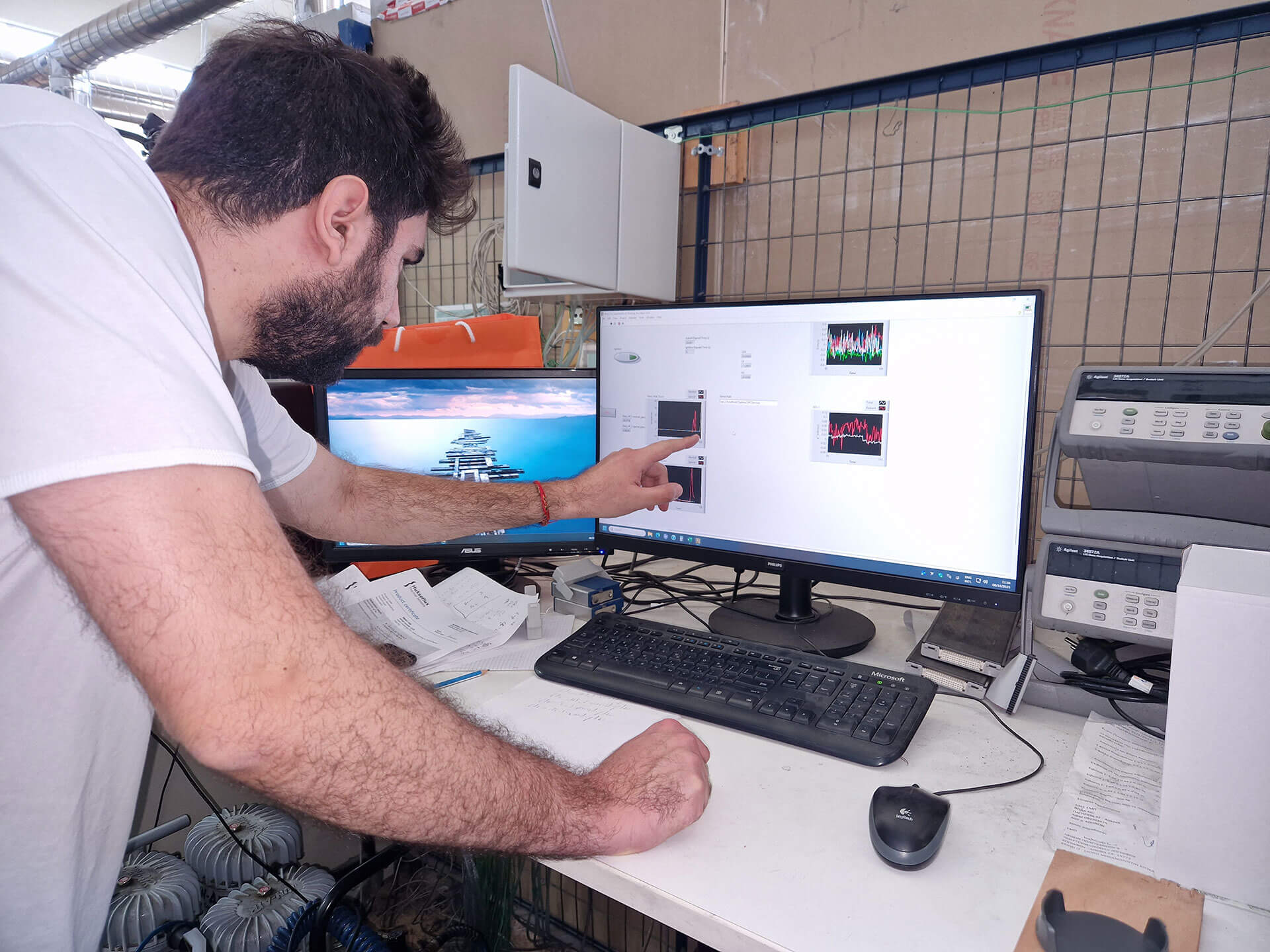
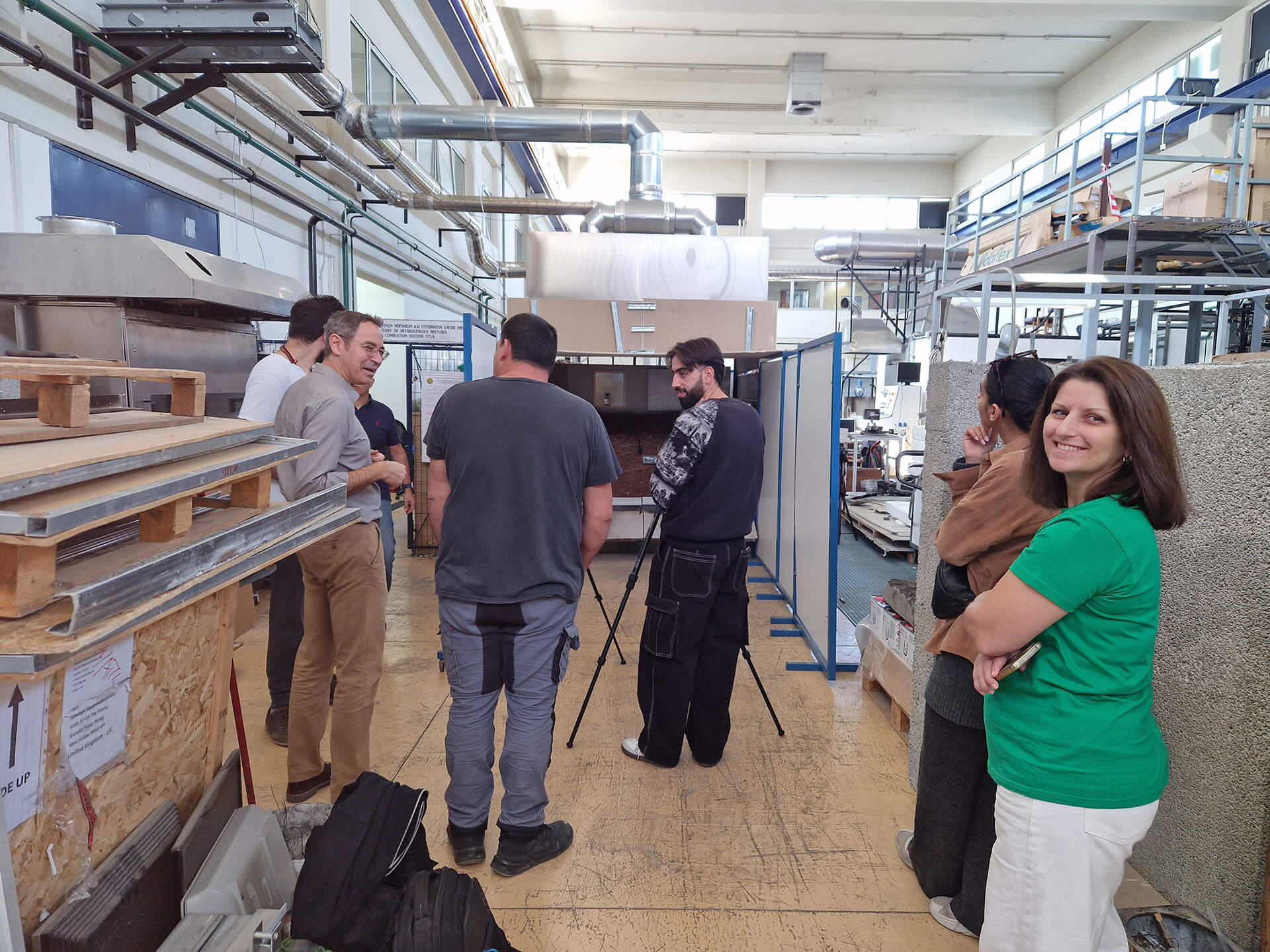
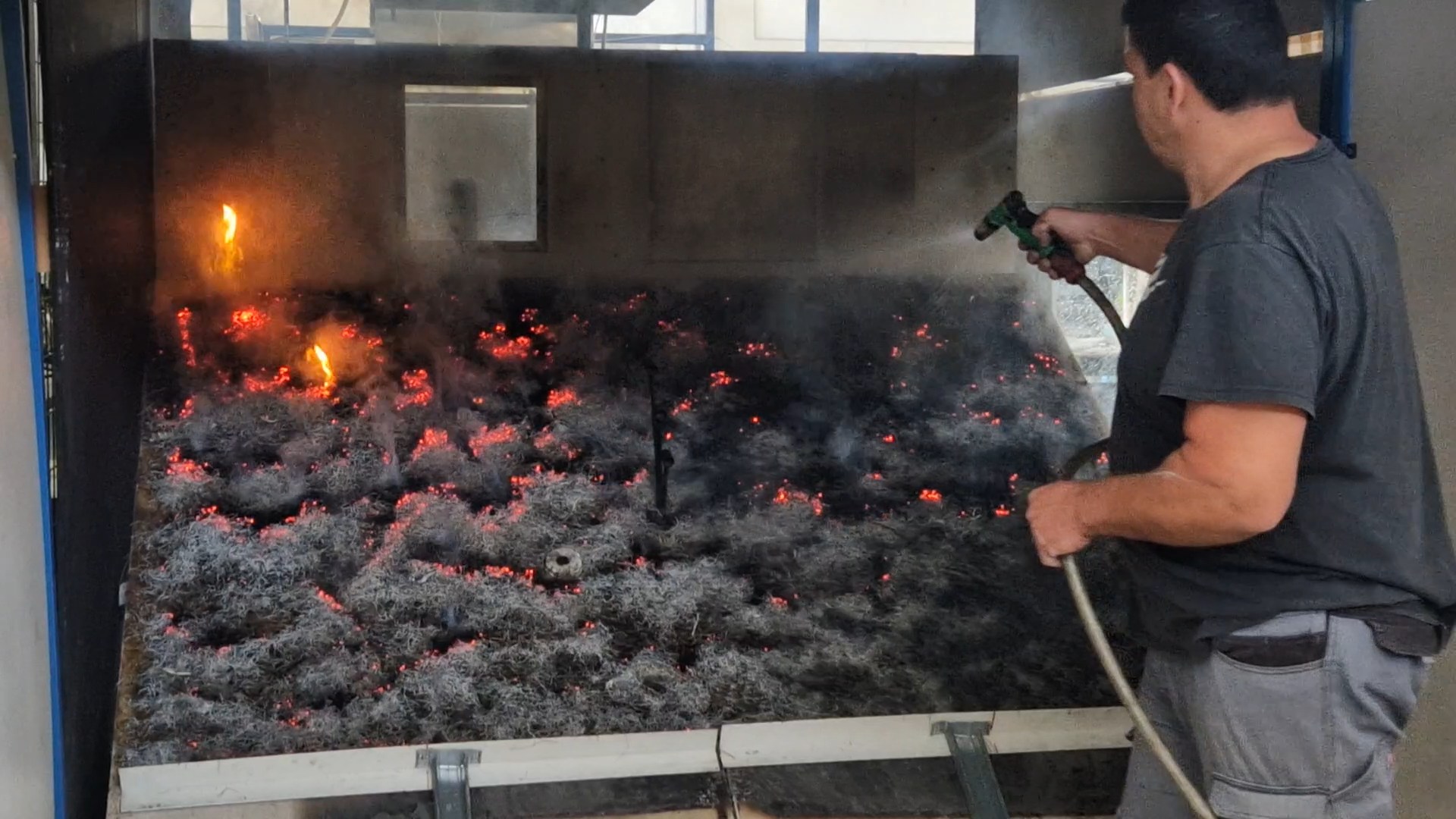
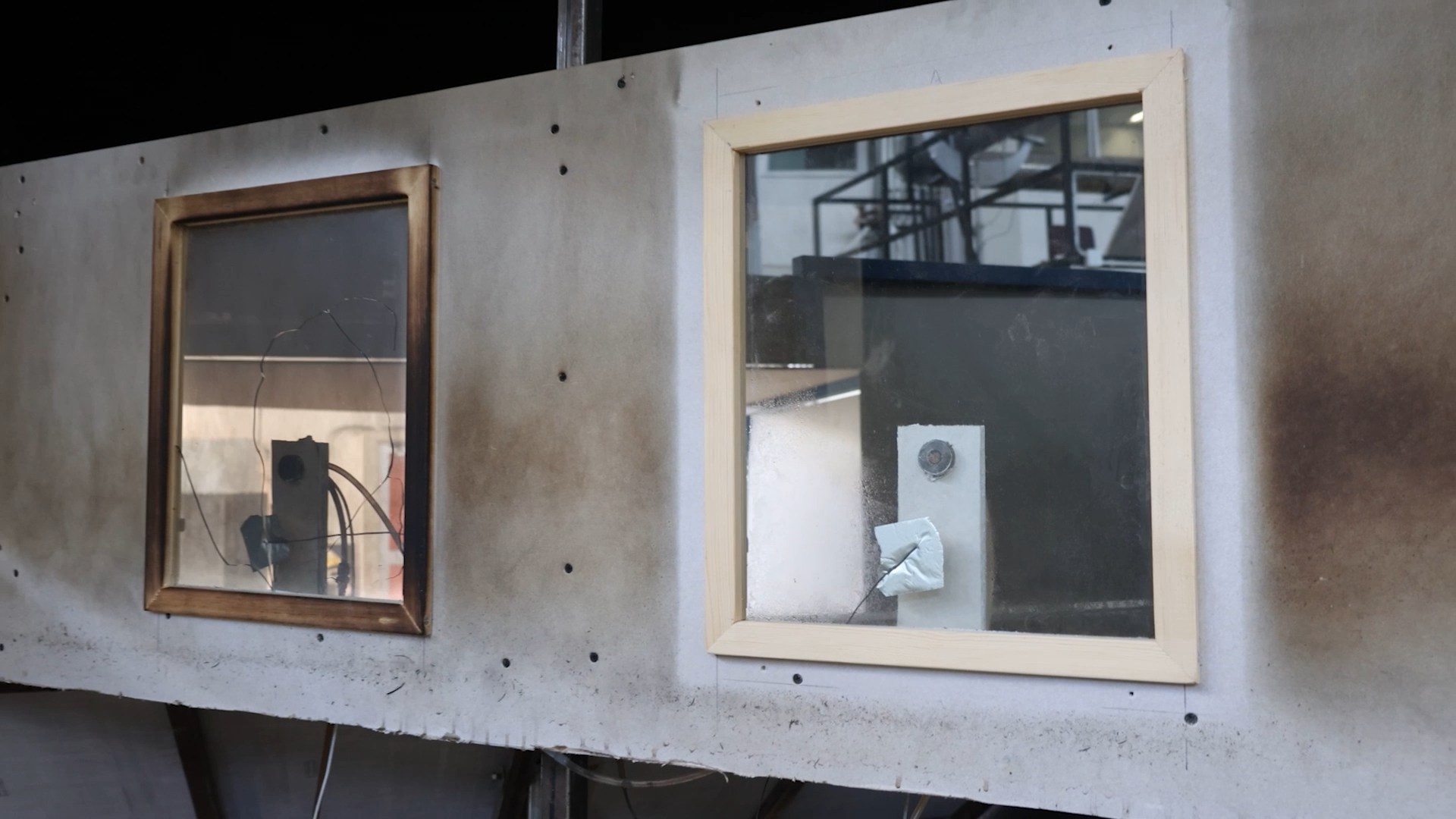
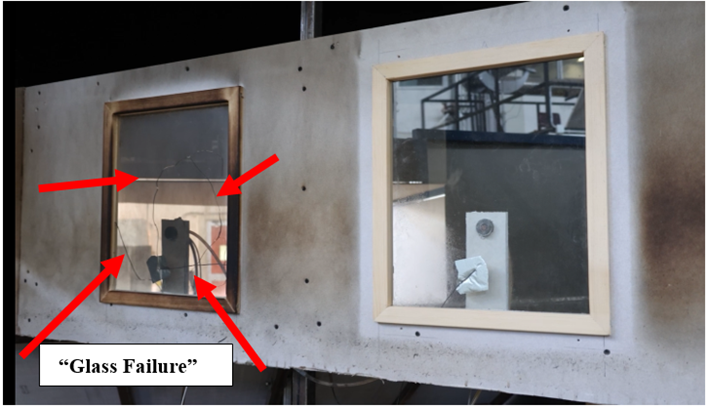
In collaboration with the National Technical University of Athens’s Heterogeneous Mixtures & Combustion Systems Laboratory, APIRA conducted an experiment on October 8, 2025, to visually demonstrate the real-world performance of its passive fire protection system during a simulated wildland fire. Under the supervision of Professor Dionysis Kolaitis, a simulated wall with two identical windows—one protected by APIRA—was exposed to radiant heat exceeding 1.000°C from a pine needle-fueled surface fire, mimicking typical forest blaze conditions. The test underscores the critical role of protected openings in blocking flames and firebrands from entering structures, proving APIRA’s effectiveness in safeguarding homes.
Key findings
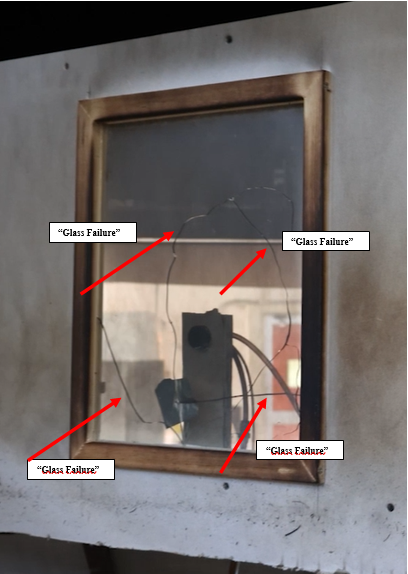
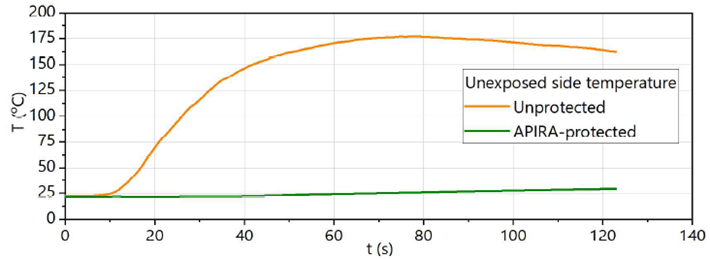
- The unprotected glazing failed at four fracture points once temperatures exceeded ~177°C, causing rapid heat transfer and loss of protective performance
- The APIRA-protected glazing remained fully intact, while temperature stayed near ambient levels (~30°C) and heat flux remained extremely low (~1 kW/m²).
- The experiment confirmed that windows are critical wildfire vulnerability points for buildings.

✅ Tested. Verified. Trusted.
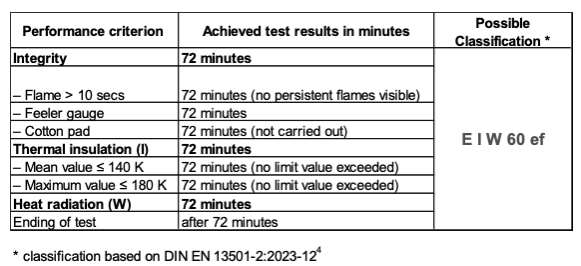
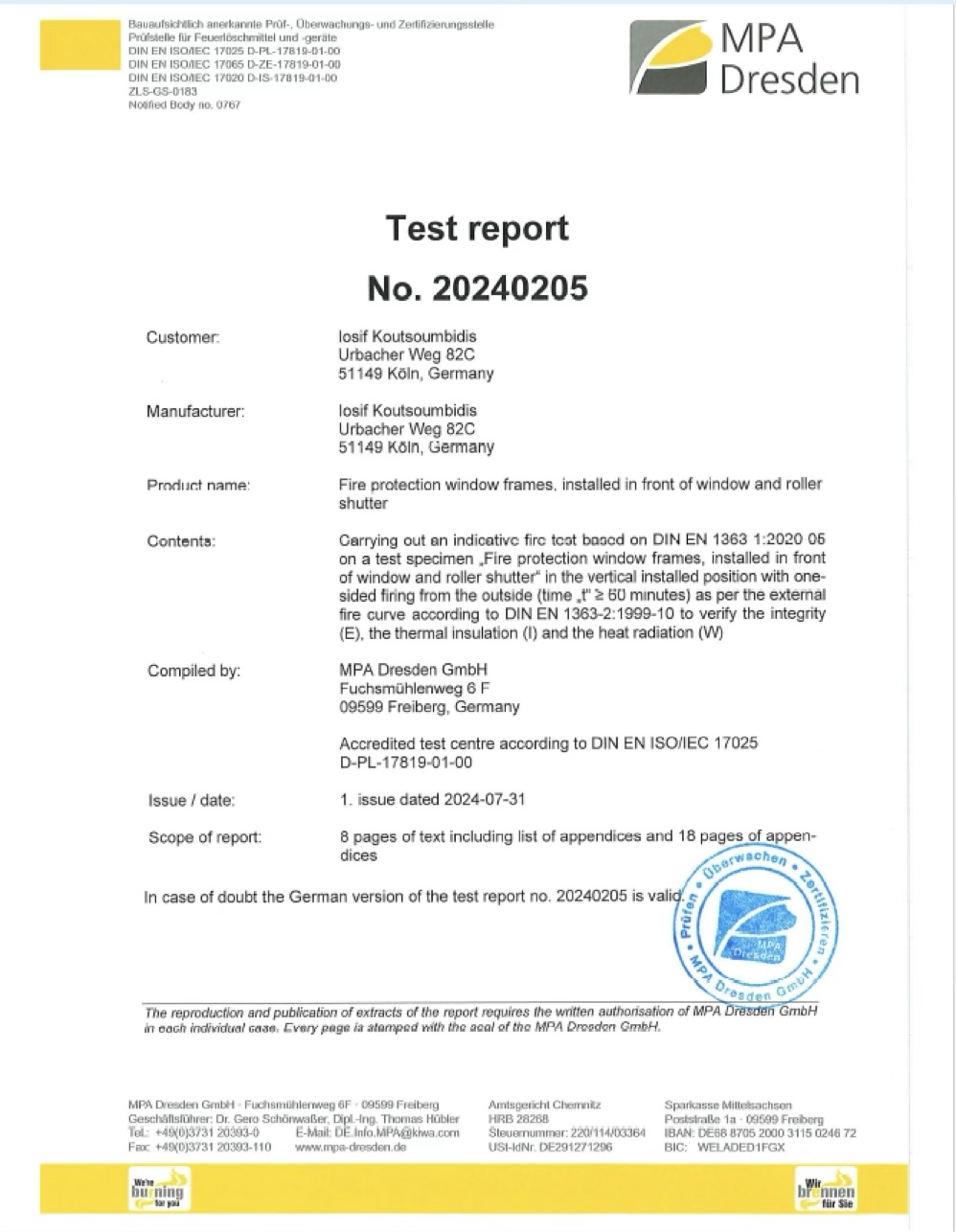
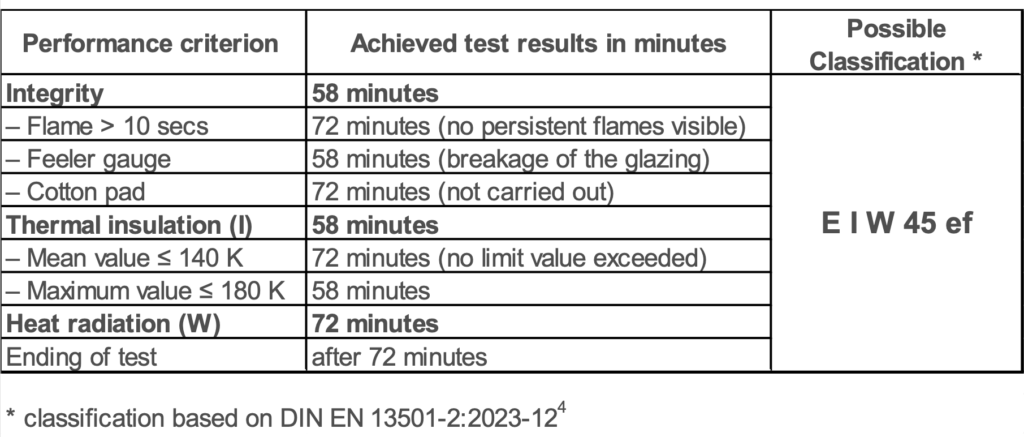
MPA Dresden GmbH Germany (July 8, 2024) Fire Tests: Validated Under DIN EN 13501-2 Standards
Key findings
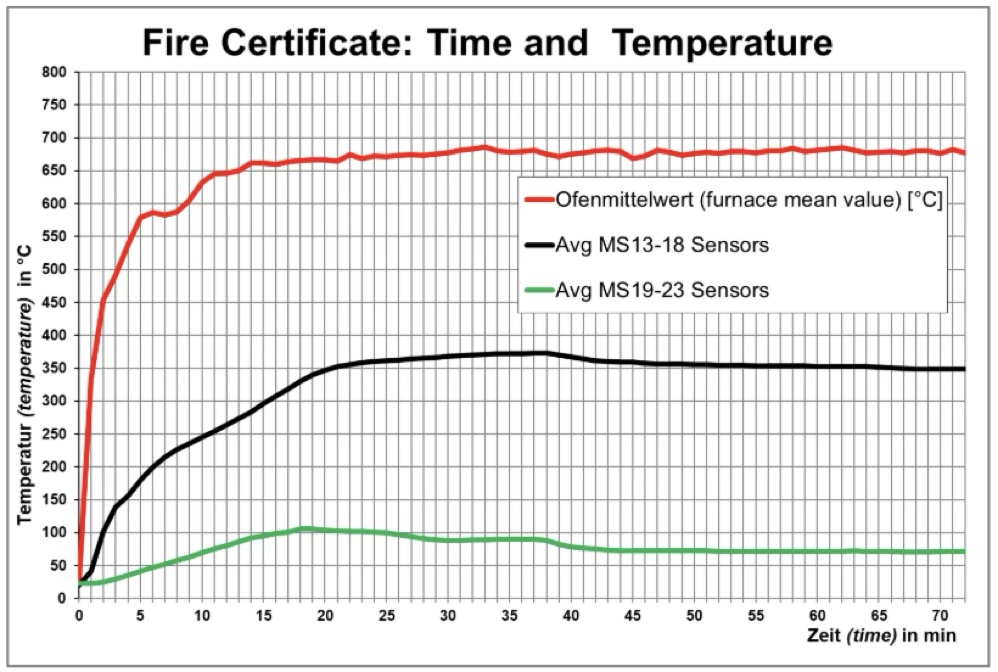
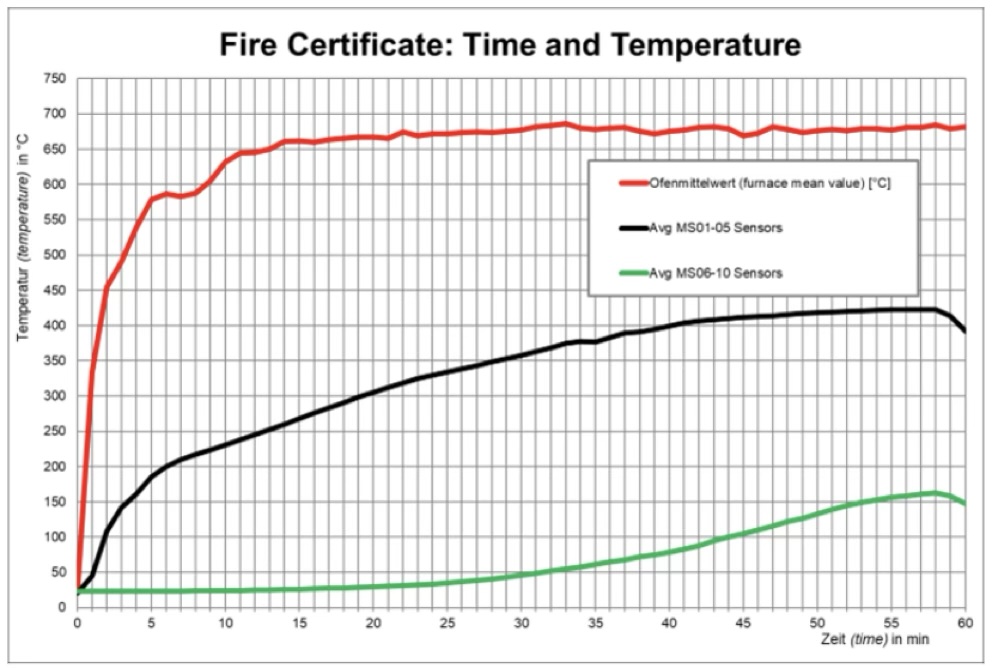
- After 72 minutes of direct exposure to temperatures around 700°C, no fire penetrated the interior of the structure for either system.
- This translates to unbreakable defense: Your building stays sealed and safe, even in prolonged, intense external blazes.
✅ Tested. Verified. Trusted.
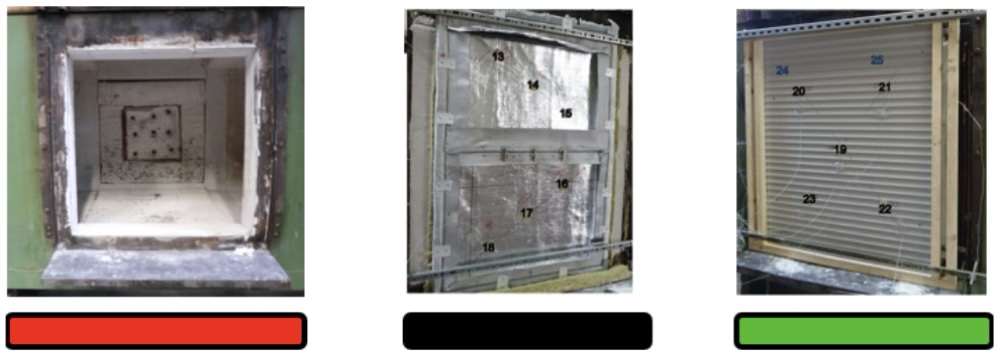
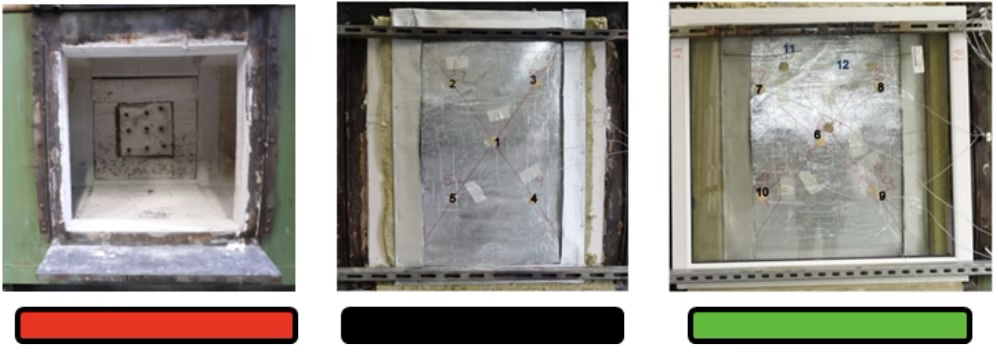
System 1: one-part fire protection frame + window with fixed glazing Simulation of a fire on the outside of a building
System 1 consists of (structure from the fire-facing-side to the non-fire-facing-side):
- one-part frame construction with “APIRA fabric”
- external dimensions of frame construction, width x height = 1.170mm x 800mm
System 2: three-part fire protection frame + roller shutter Simulation of a fire on the outside of a building
System 2 consists of (structure from the fire-facing-side to the non-fire-facing-side):
- Three-part frame construction. A frame plus 2 panels each wrapped with “APIRA fabric”, each of them with the same size, inserted in the frame.
- Roller-shutter construction: structurally fixed in front of the frame construction at a distance of approx. 40 mm.
- Roller-shutter: External dimensions width x height:1.000mm x 1.100mm, slat thickness approx. 4mm, slat height approx. 40mm